Refactoring Life Program
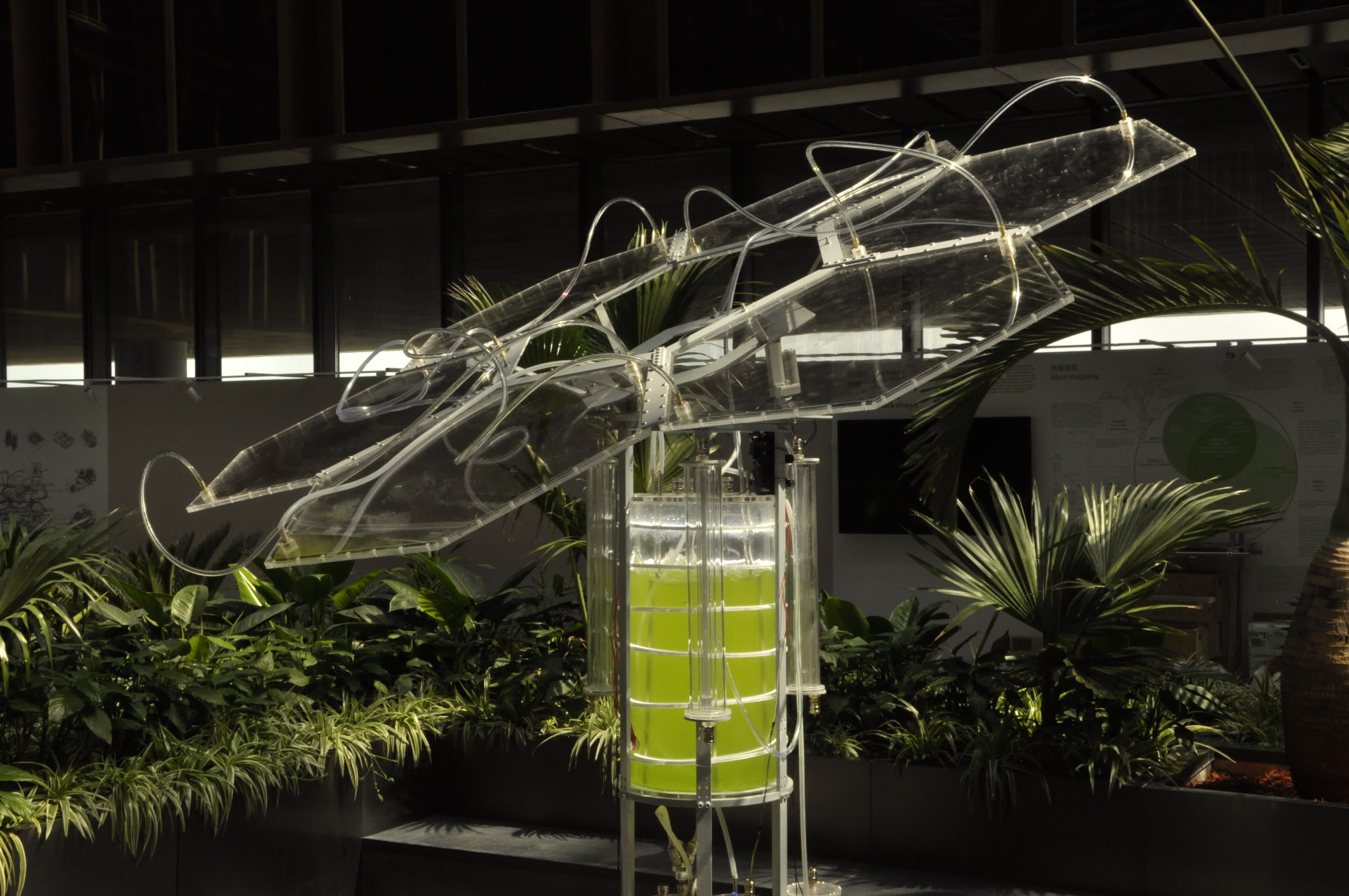
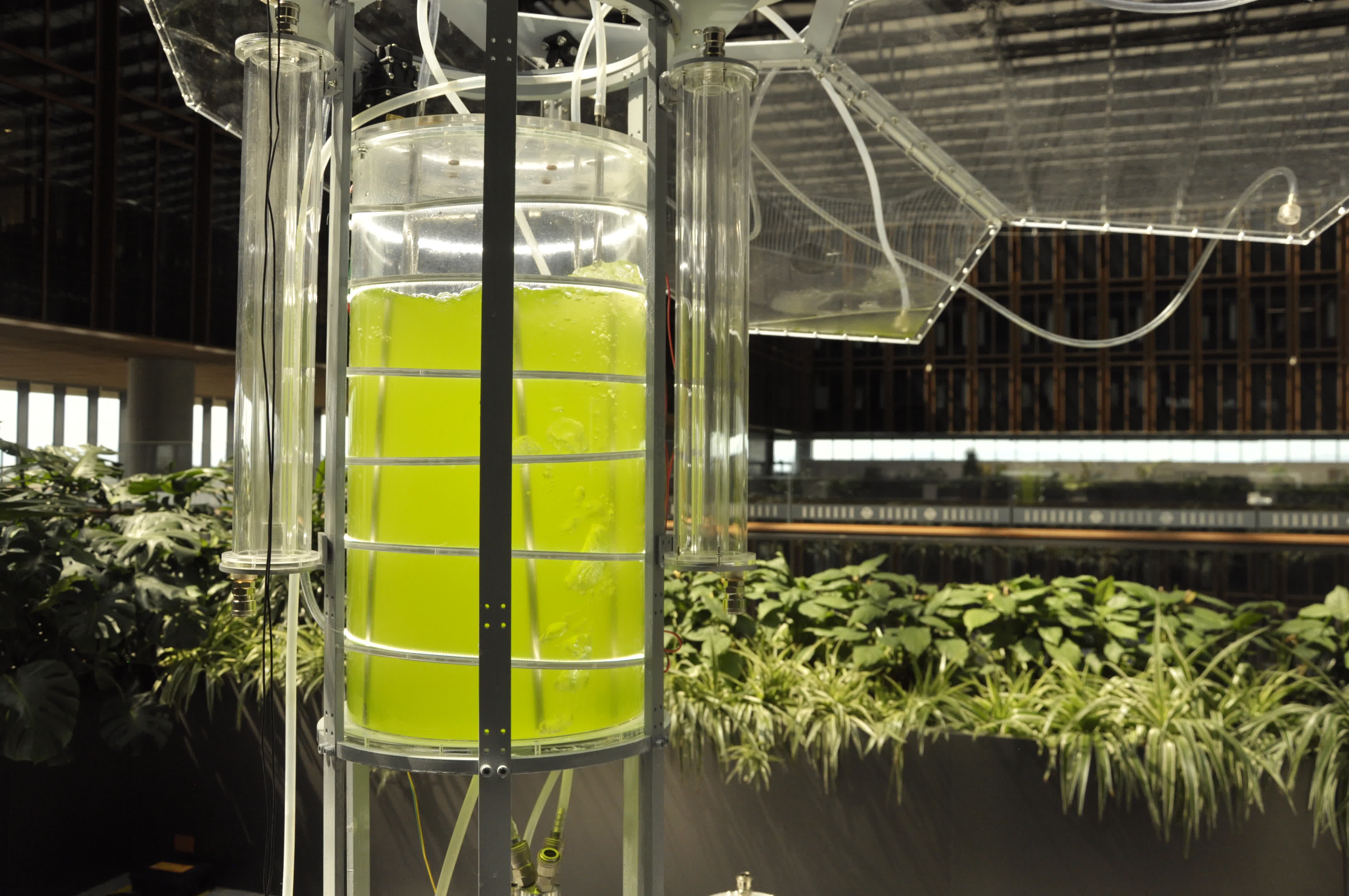
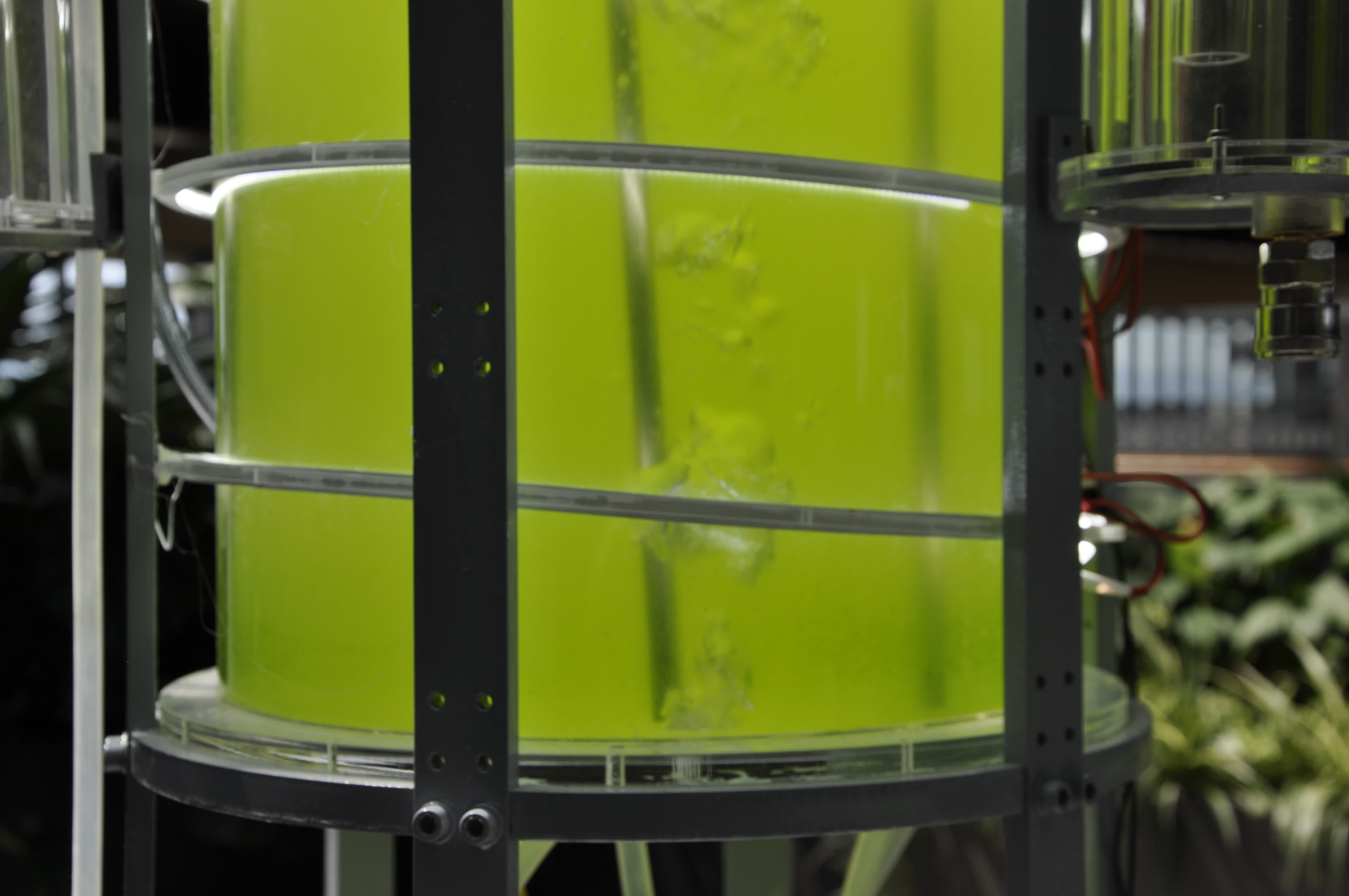
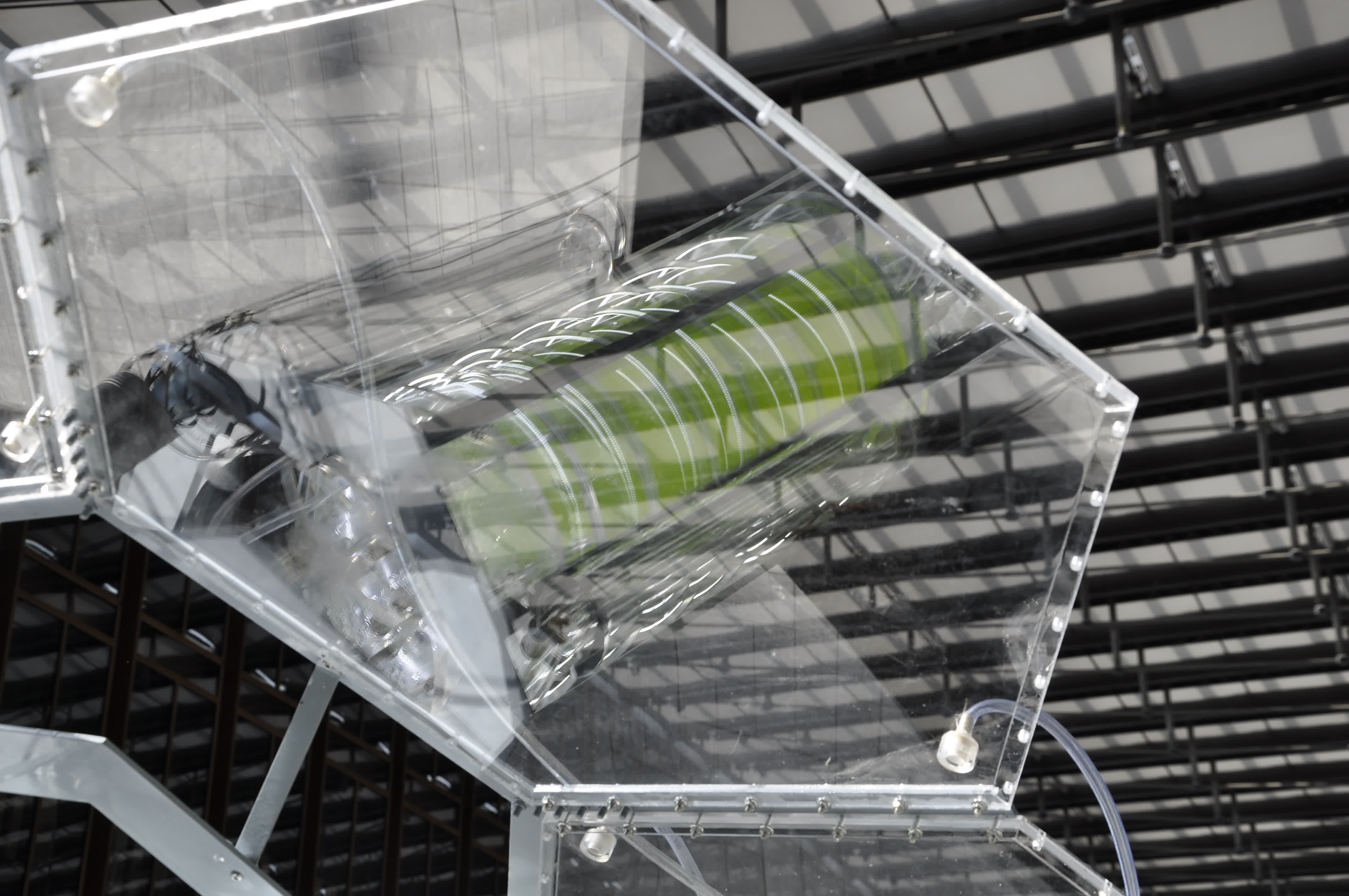
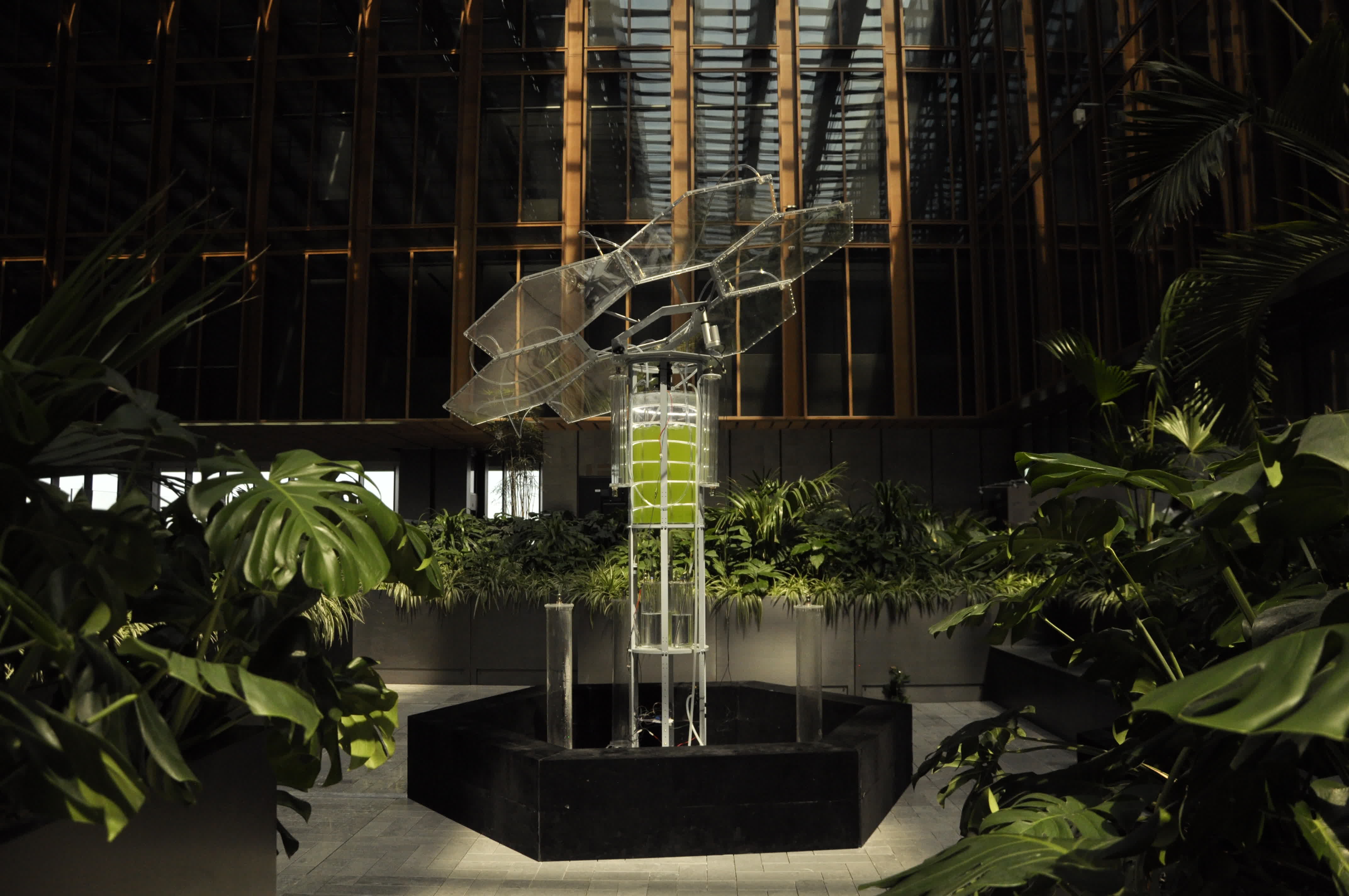
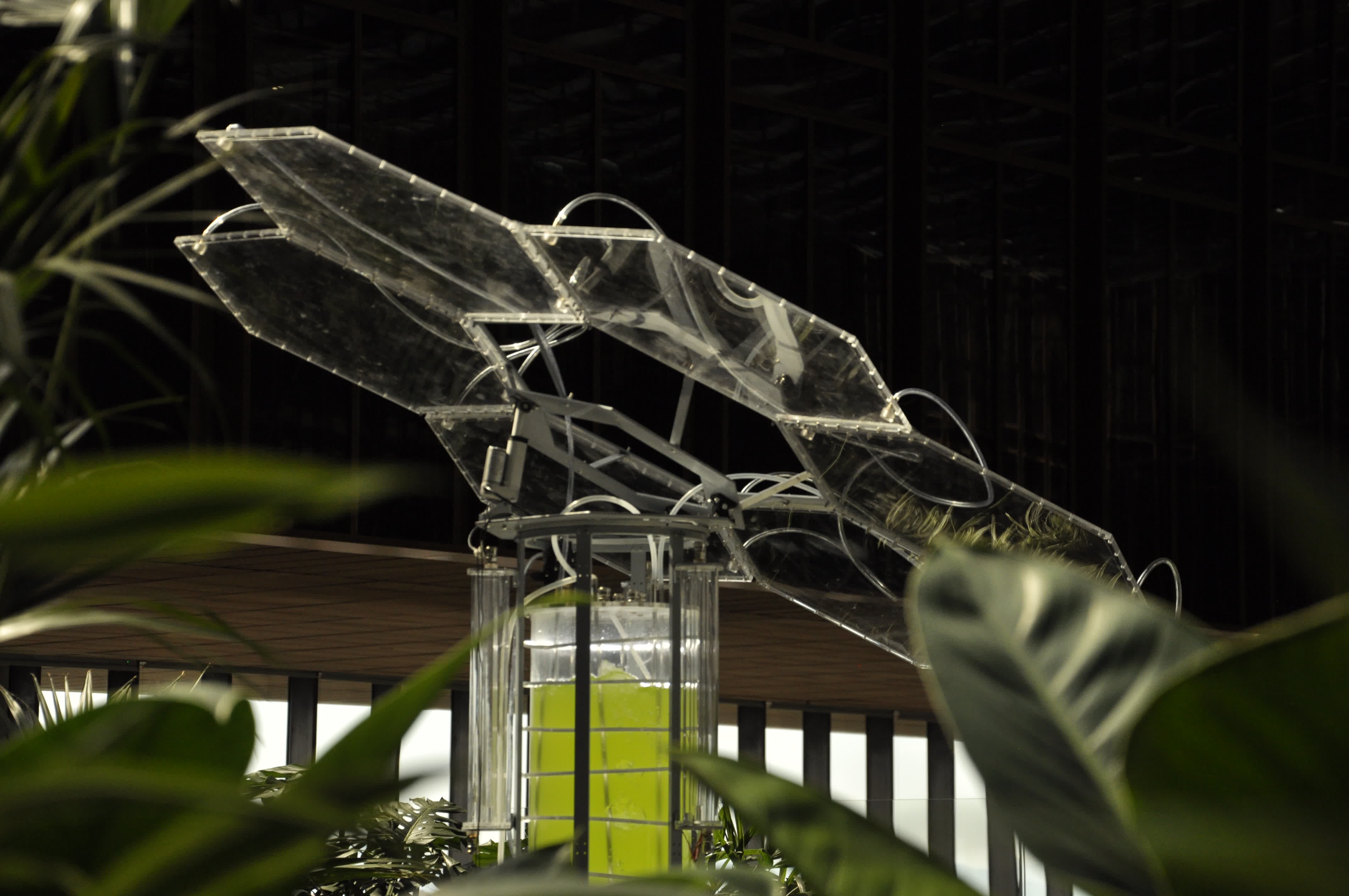
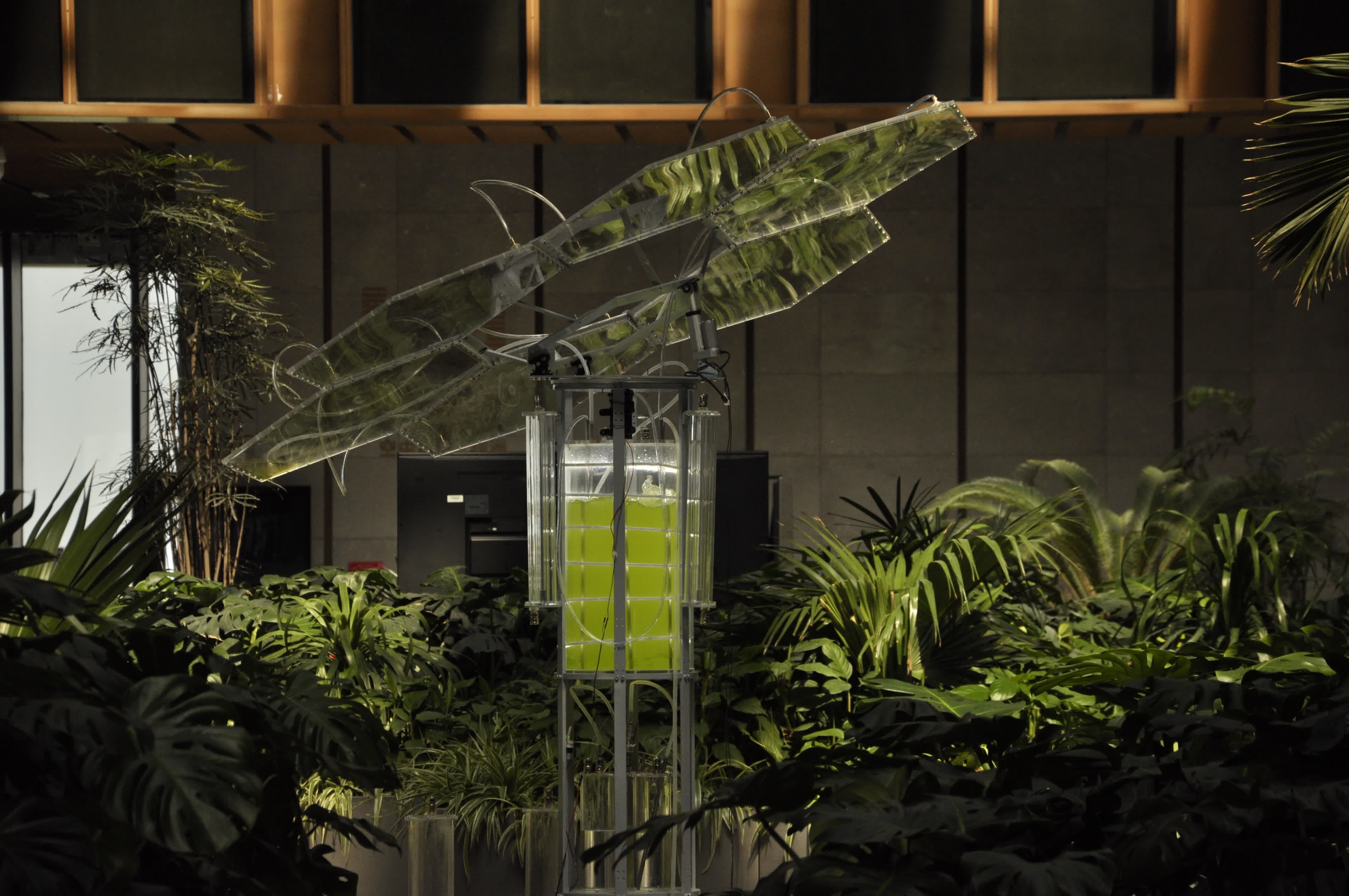
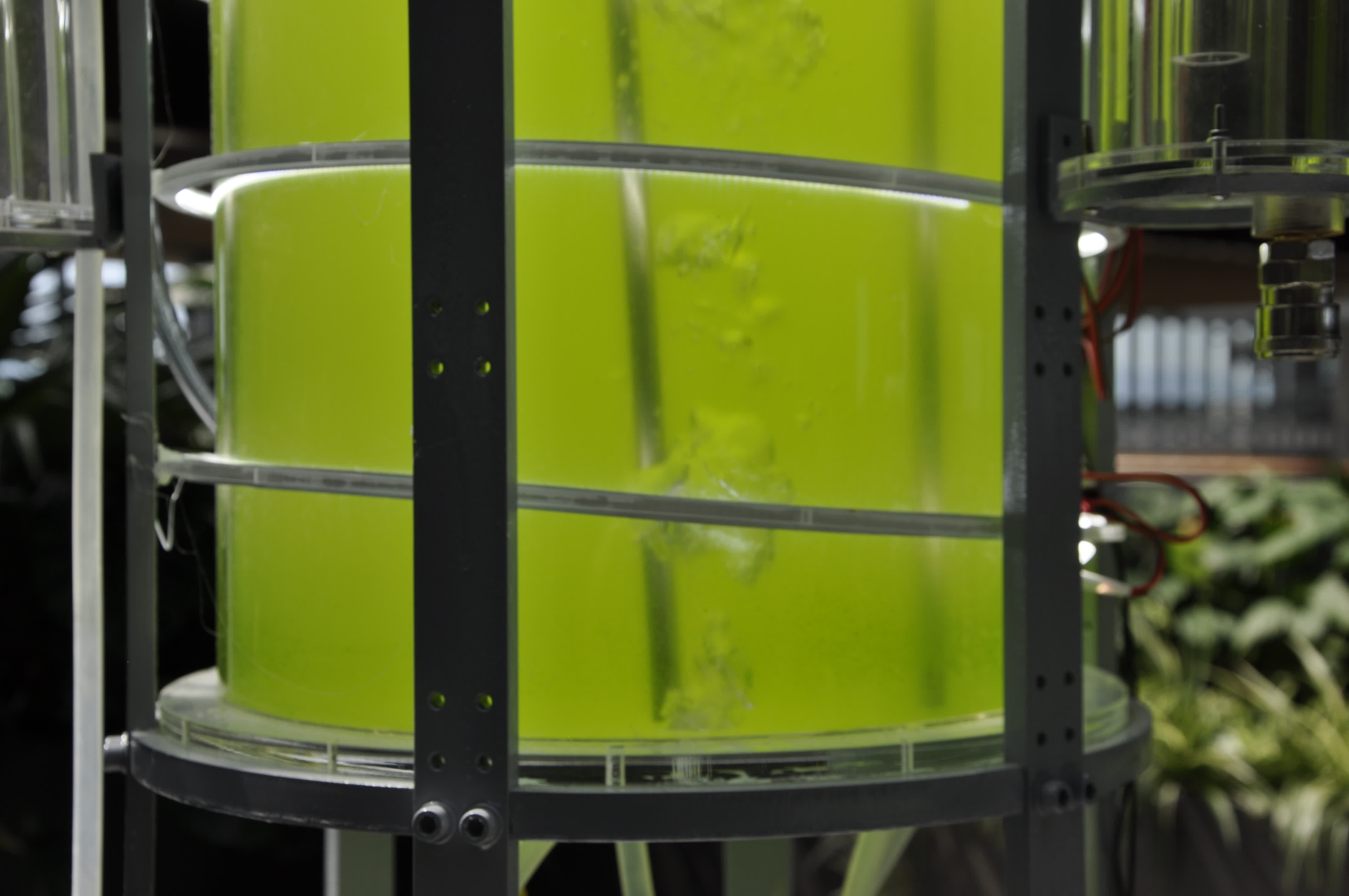
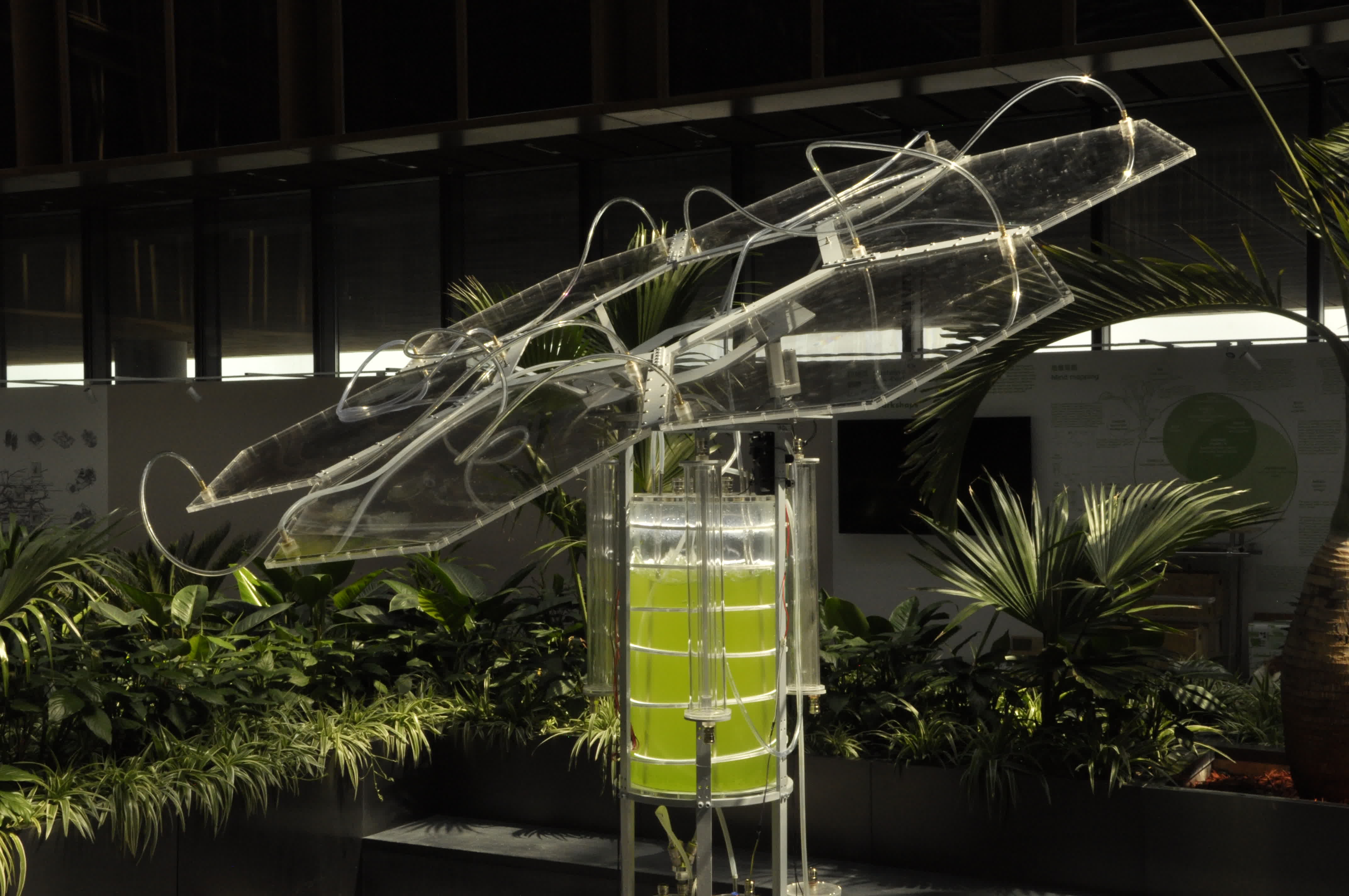
A modular closed-loop prototype that encapsulates, monitors, and regulates plant cells—testing oxygen generation and organic storage under high-disturbance / non-ideal conditions.
One-line
A scalable plant-cell closed-loop system prototype—designed to be encapsulated, monitored, regulated, and redeployed—testing oxygen production and organic storage in high-disturbance or non-ideal environments.
Info
Role
System Design · Prototyping · Sensing/Control Integration
Medium
Plant cells (algae / Chlorella) · resin-glass · metal · vessels/tubing · reagents (alginate, calcium lactate, sugars, salts)
Status
Gen-1 prototype built (framework + module logic validated)
Goal & Challenge
As environmental uncertainty intensifies, this project abstracts plants from form into function: a maintainable, replicable, and expandable living unit. The central challenge is to combine encapsulation, sensing/control, and chemical processes into a stable, controlled cycle—so that plant cells can sustain operation and become a deployable “life reserve” for future redeployment.
System (4 Modules)
The system runs as a closed loop through gas/liquid circulation, composed of four functional modules.
1) Photosynthesis Module (Leaf)
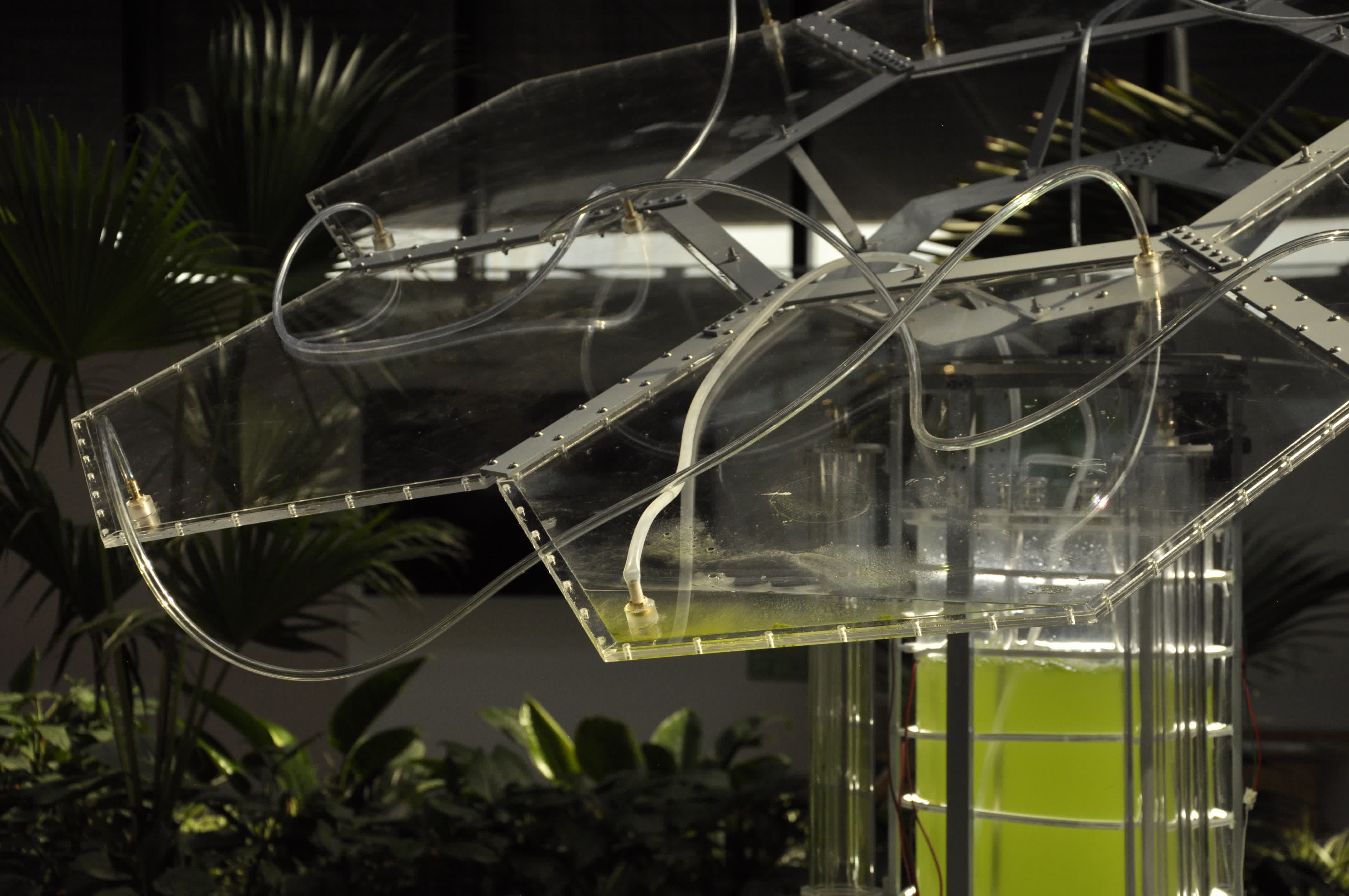
A hexagonal resin-glass thin chamber creates a large reaction surface and supports modular tiling. Cell solution circulates through the chamber, and the “leaf” angle is adjustable.
2) Reservoir & Hub (Cell Container)
The storage and circulation core for the cell solution. It maintains viability, tunes environmental parameters, and integrates sub-functions such as pumping, supplemental lighting, and gas washing.
3) Replication & Storage
A gel-based “embryo” unit enables replication and long-term biological storage—supporting scale-up and redeployment.
4) Air Revitalization (Gas Exchange / Washing)
A siphon-driven gas–liquid exchange loop refreshes and circulates air. The tubing layout forms a passive temperature-compensation logic. In closed-environment scenarios, this module functions as an “air revitalization” subsystem.
Validation & Current Build
Two baseline validations were completed:
- Reproduction: visible reproduction of single-cell plants under light-only conditions in approximately 7 days
- Clarification: water clarification after pH adjustment and basic replenishment, achieving roughly 7 days of purification (reduced turbidity and odor)
Based on these validations, a Gen-1 prototype was built (transparent chamber, tubing, hexagonal leaf array, metal structural frame) to verify the system framework and module logic. The current version prioritizes structural and mechanistic validation; stability and efficiency require further metric-based testing.
Next (Design Targets)
The next phase focuses on maintainability, deployability, and measurable performance.
Metrics
Oxygen / carbon exchange · cycle stability (sealing / contamination / maintenance) · energy input (lighting) · expansion success rate · module reliability and replaceability
Engineering
Sealing + contamination control · maintenance / swap mechanisms · sensing feedback loops and control strategies
Scaling
Tiled modules forming clustered networks, exploring redundancy and stable output.
Credits
Personal work · 2023 · Beijing