1/∞
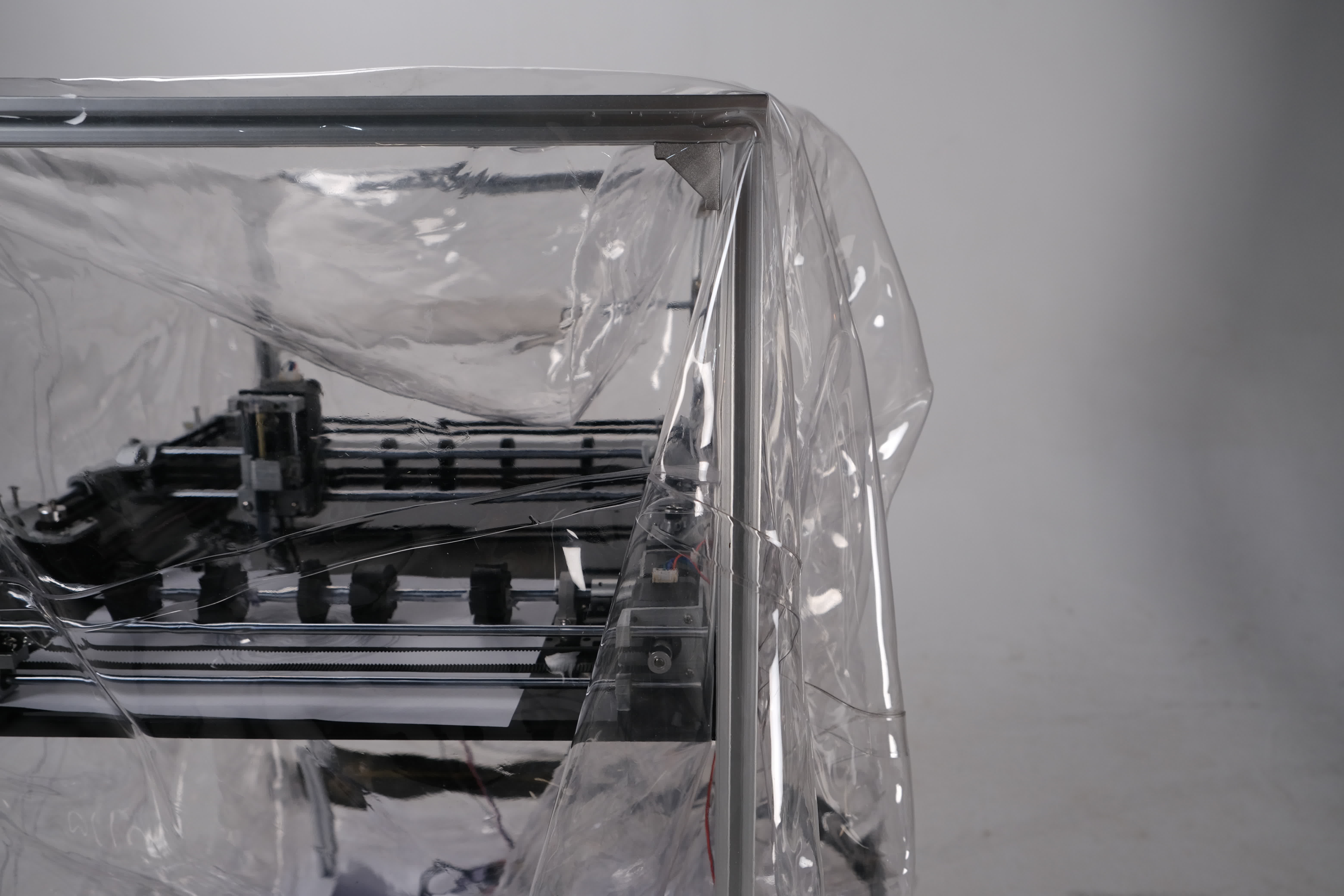
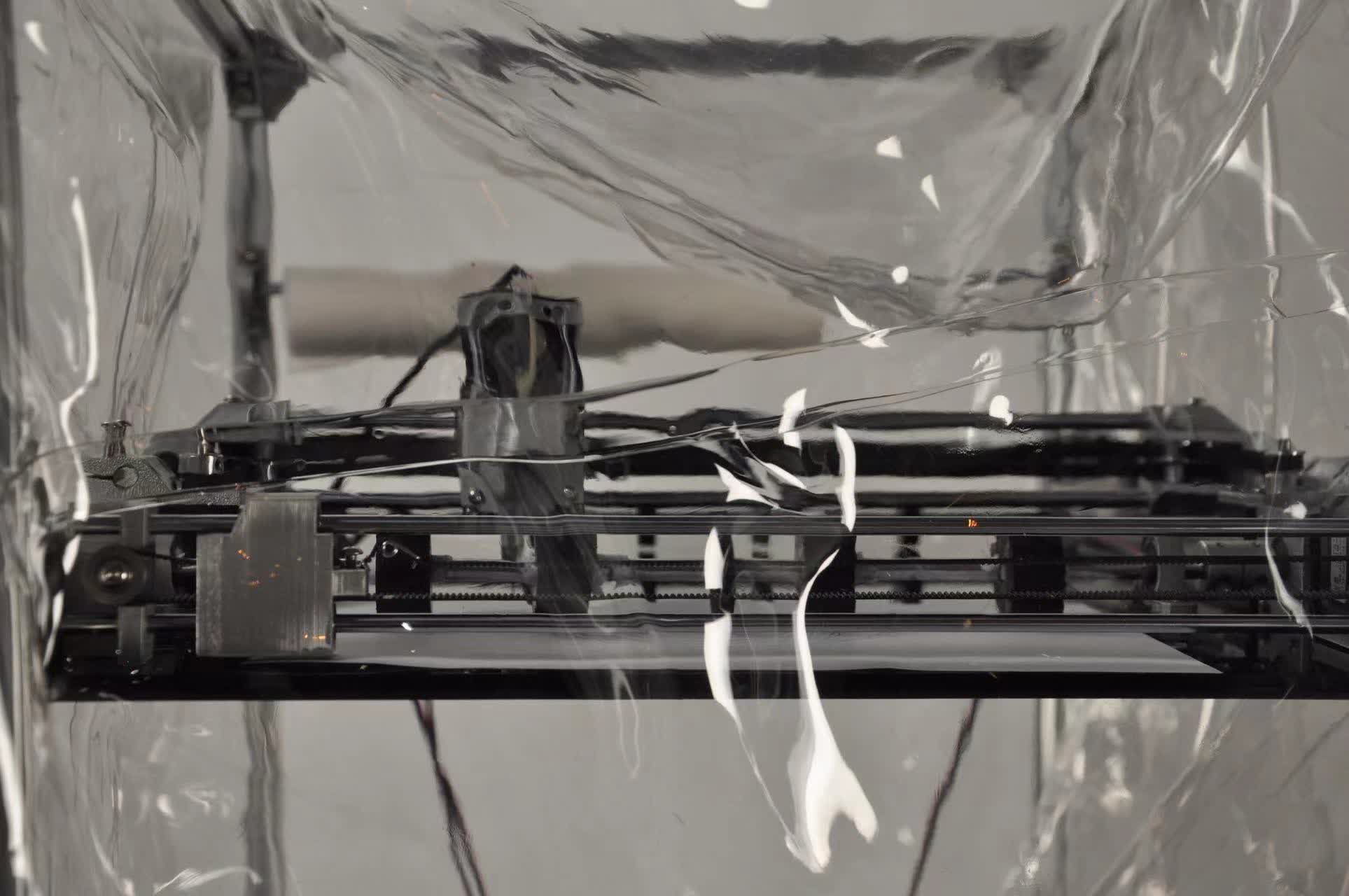
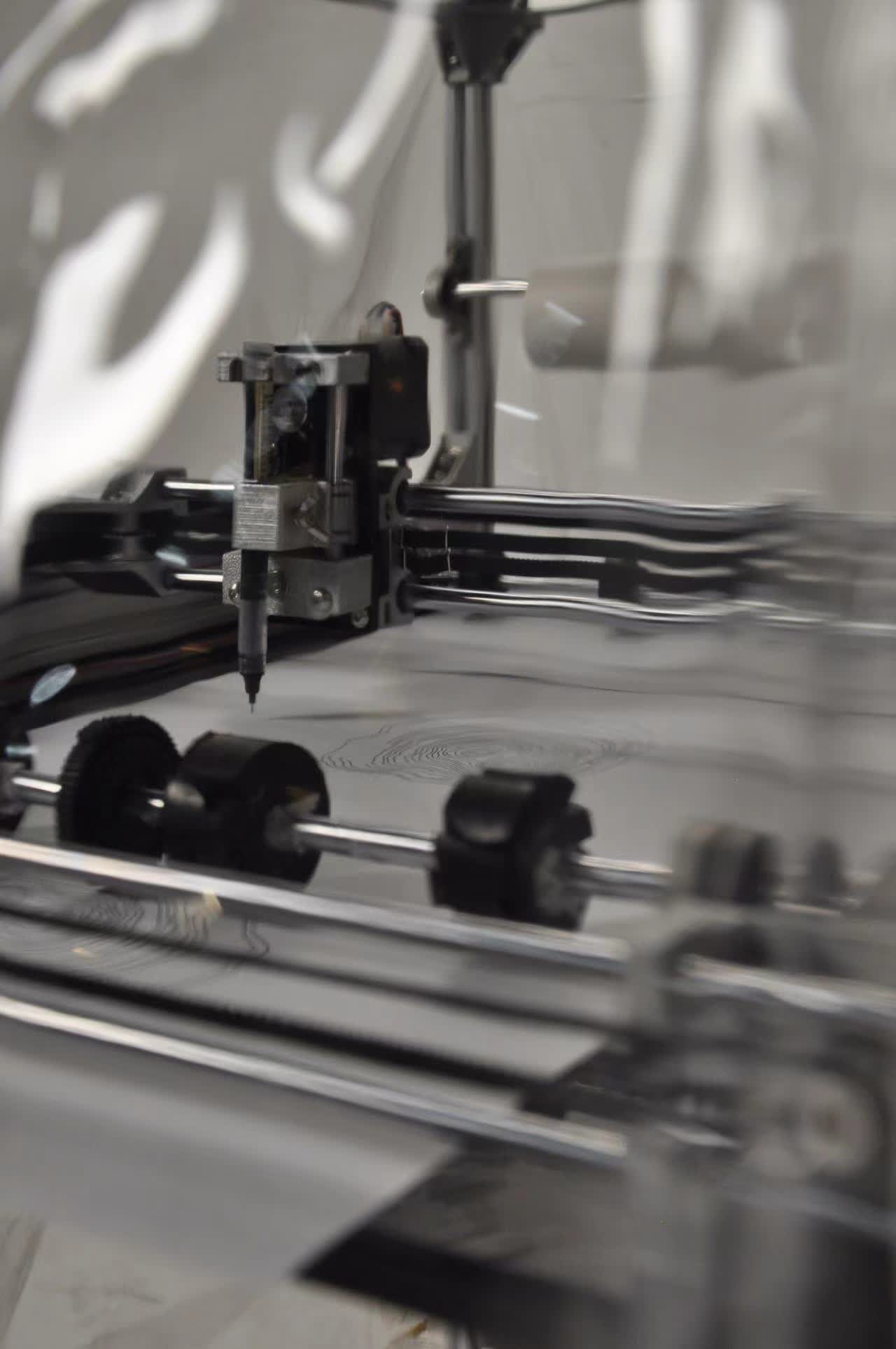
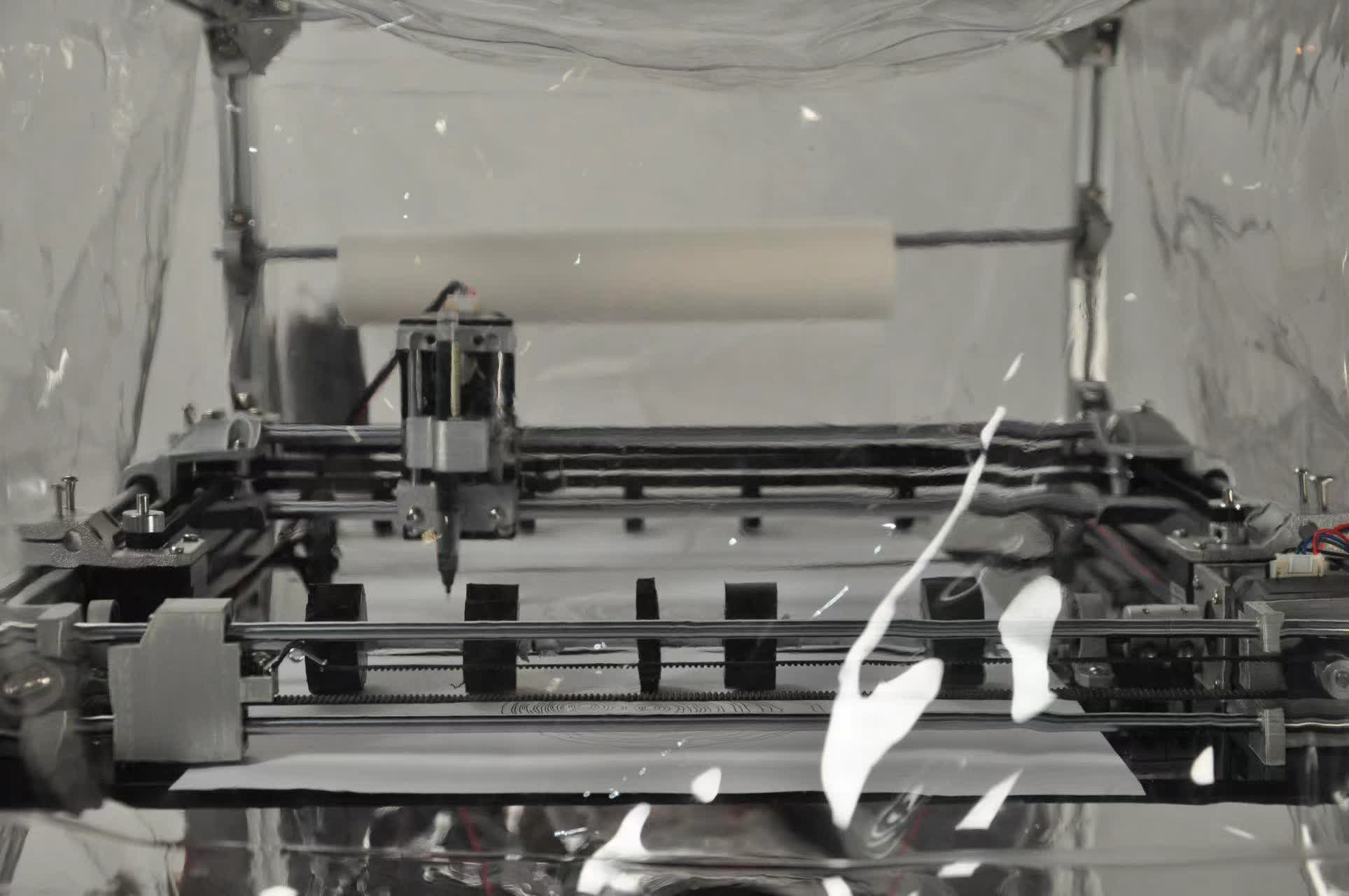
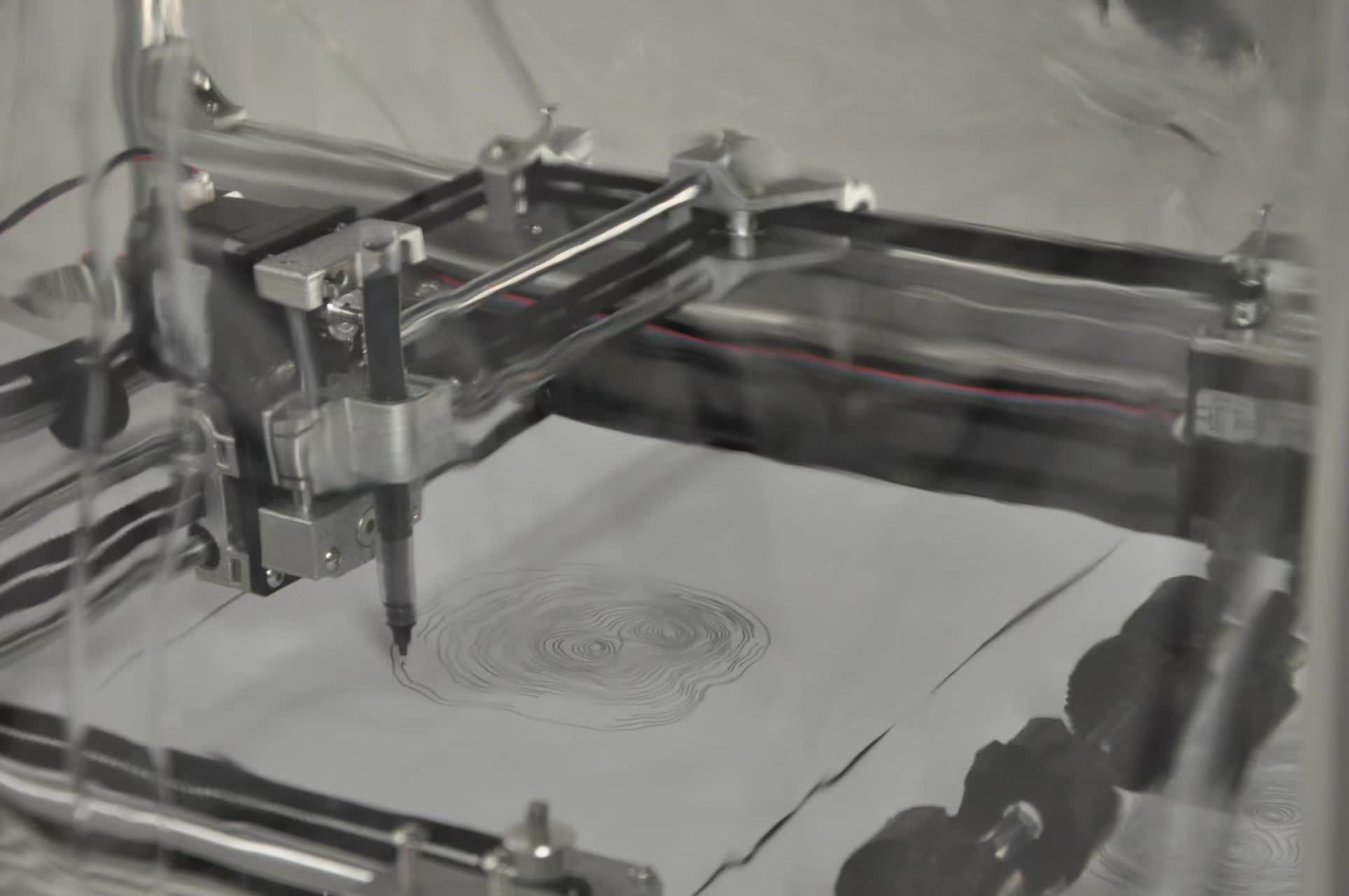
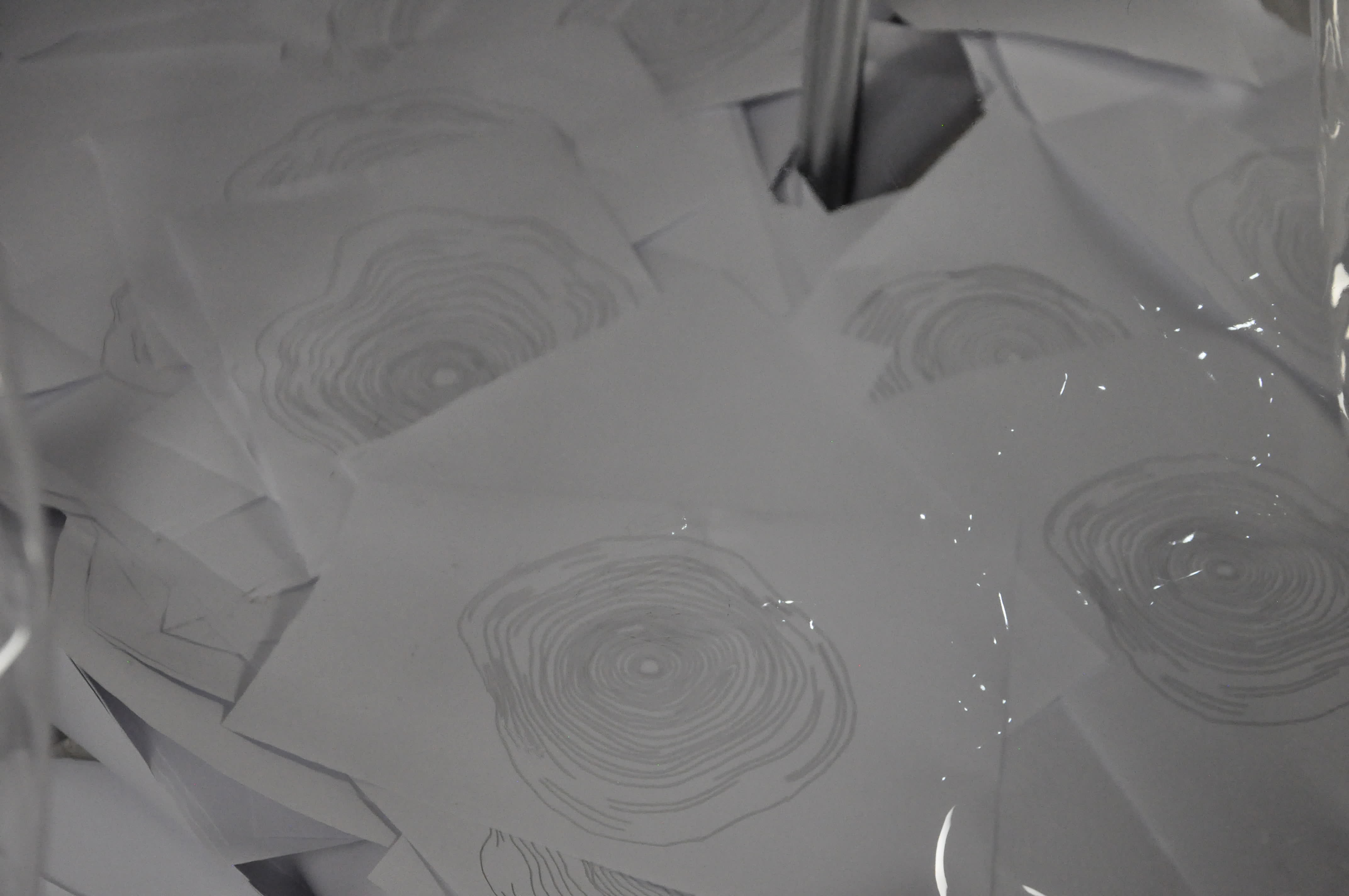
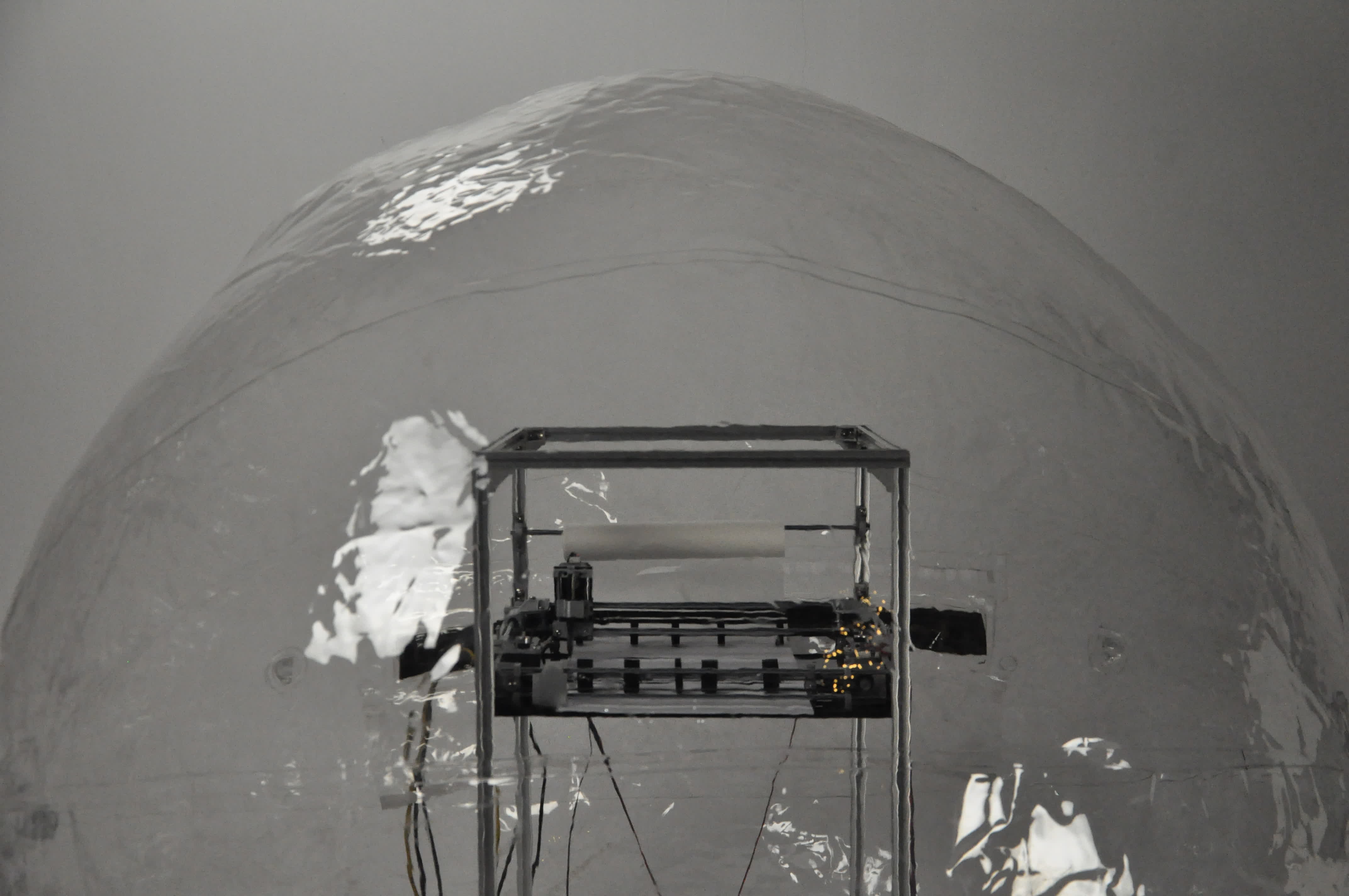
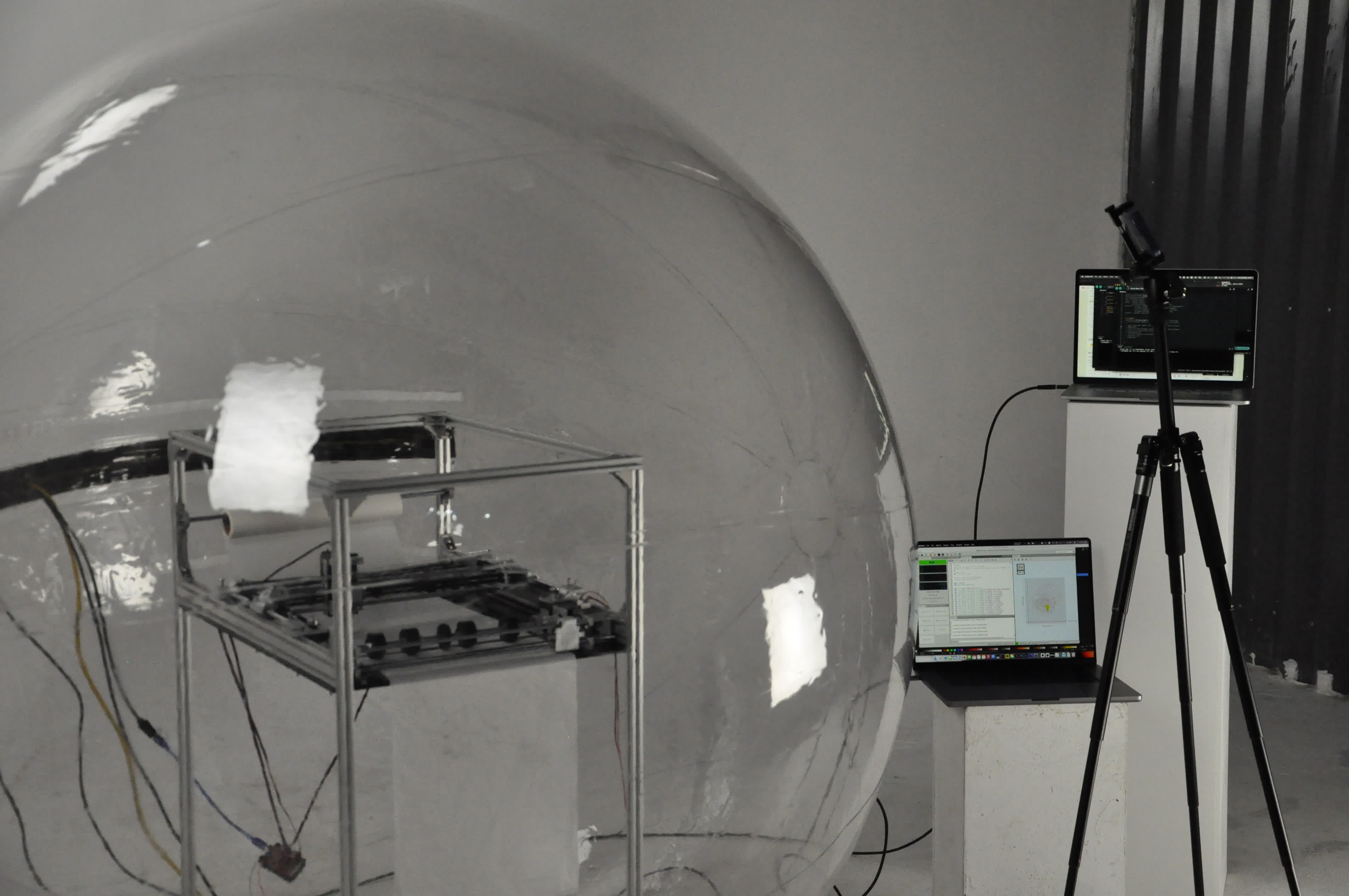
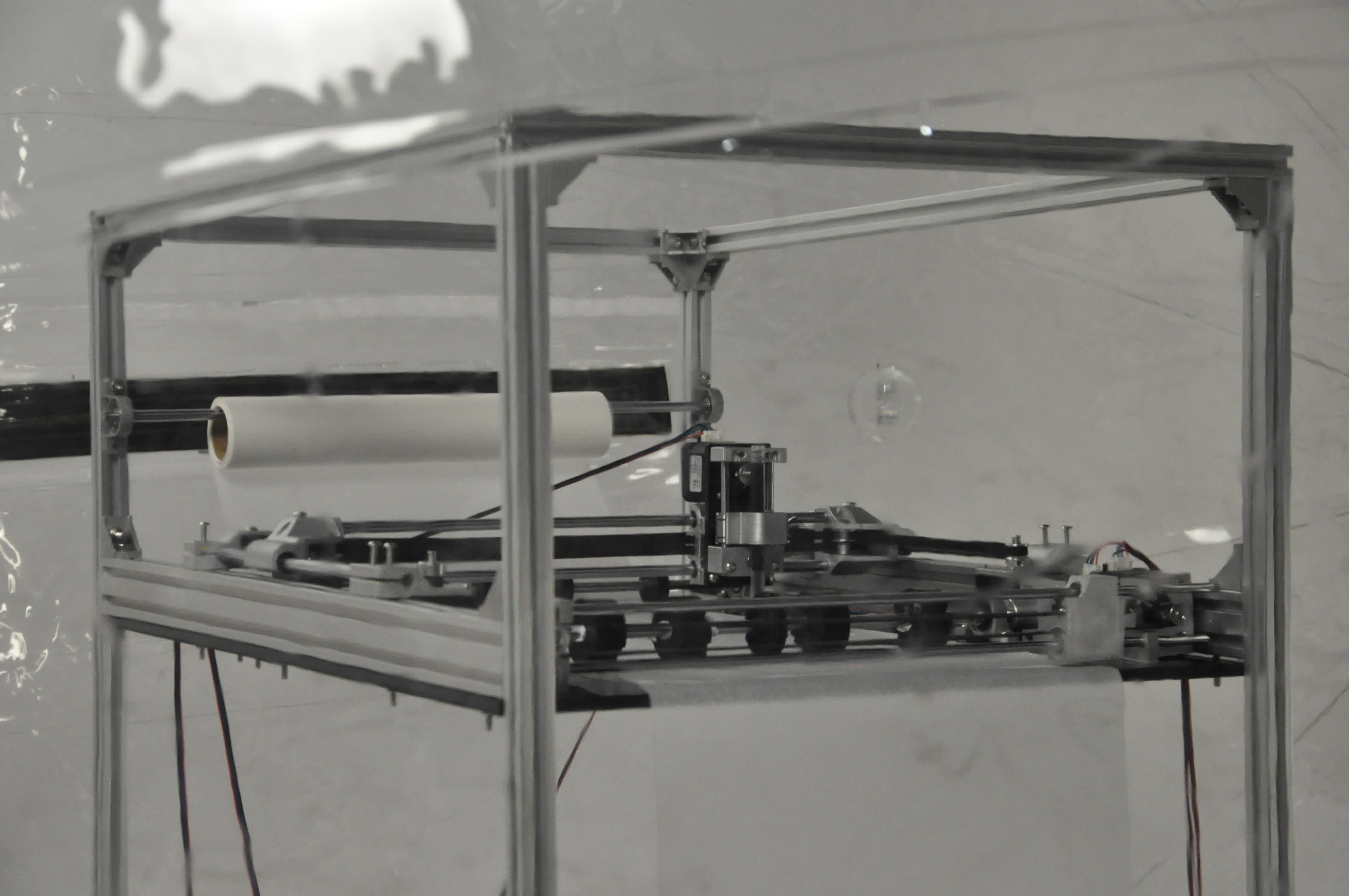
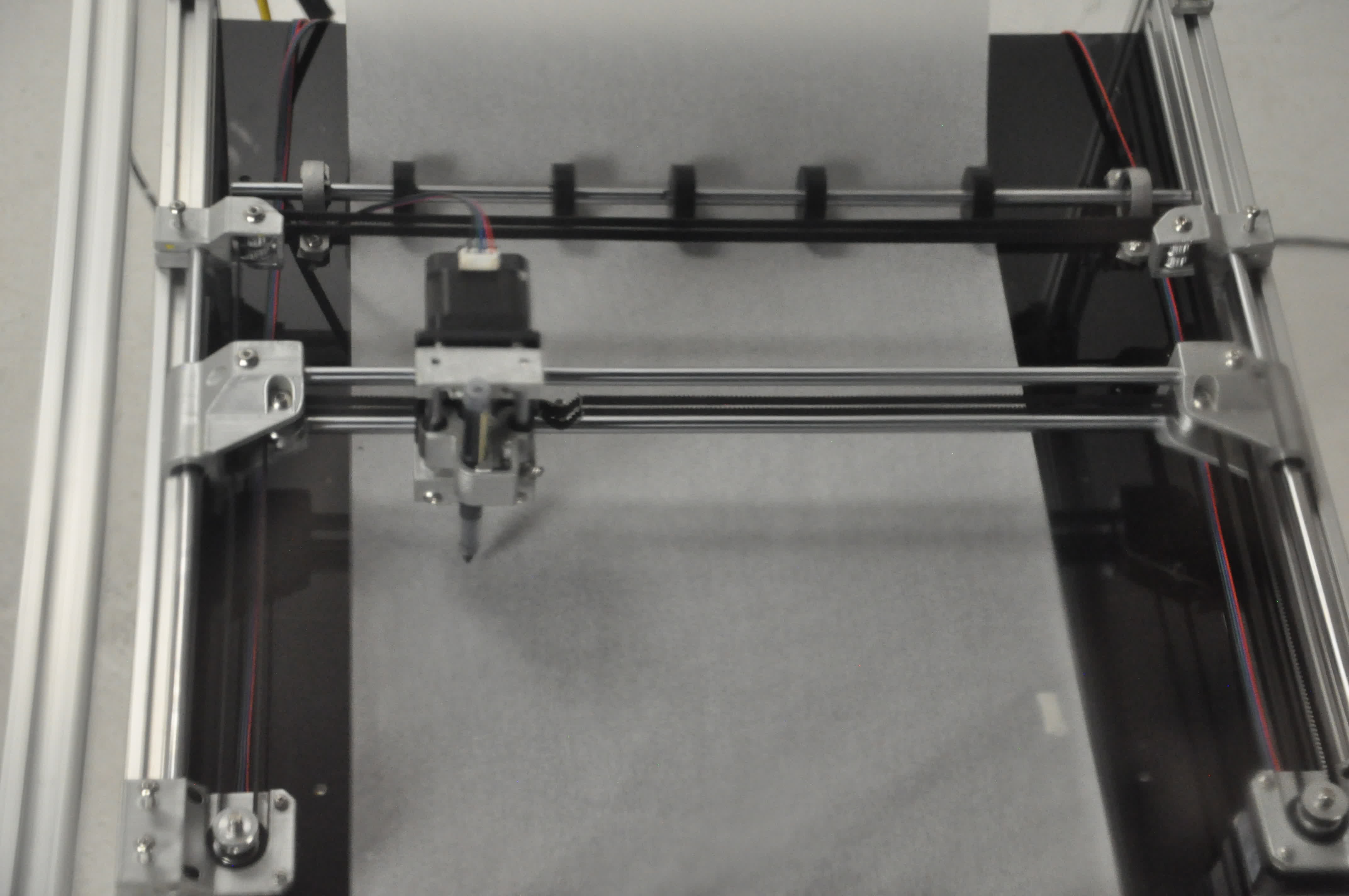
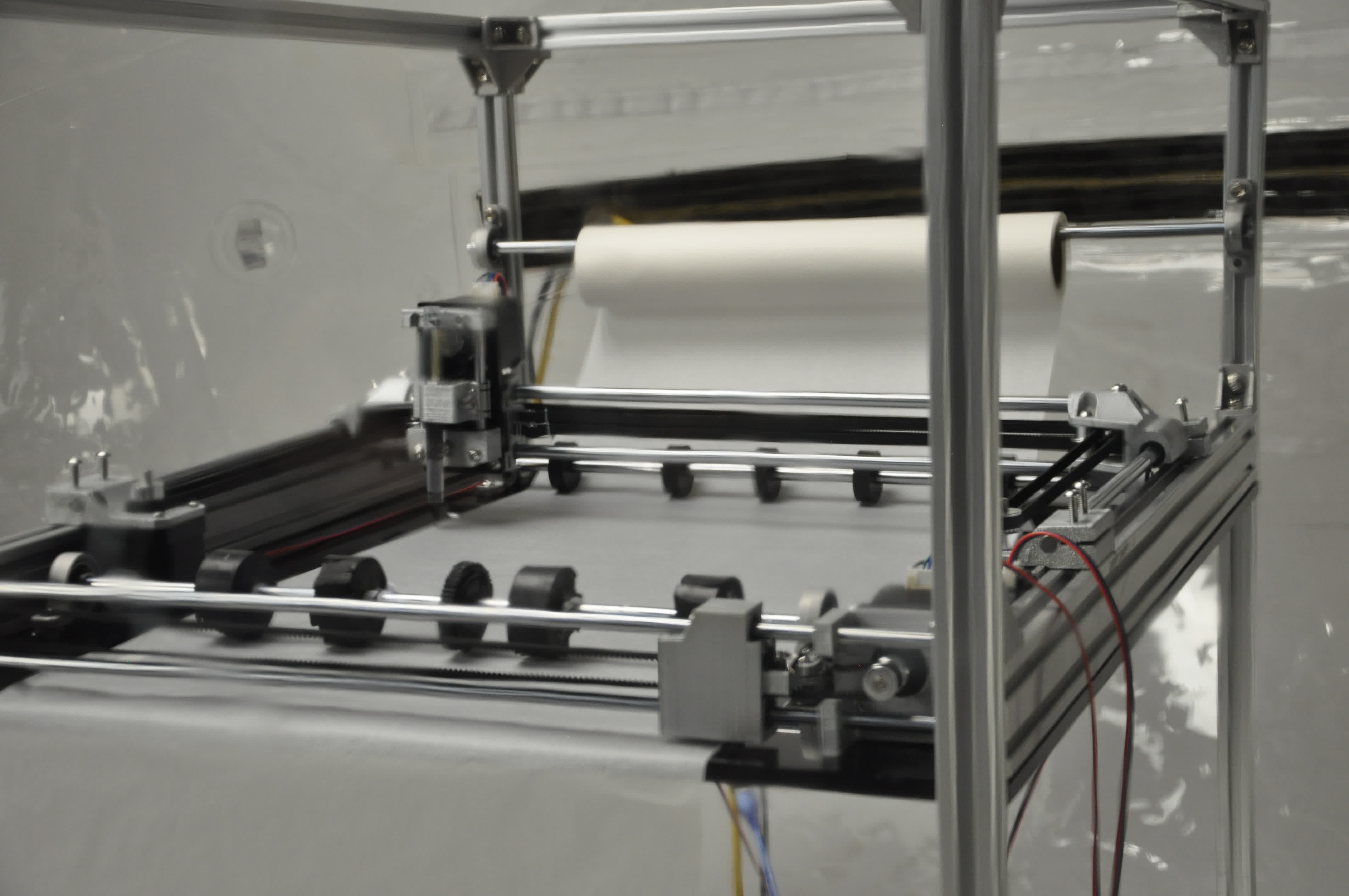
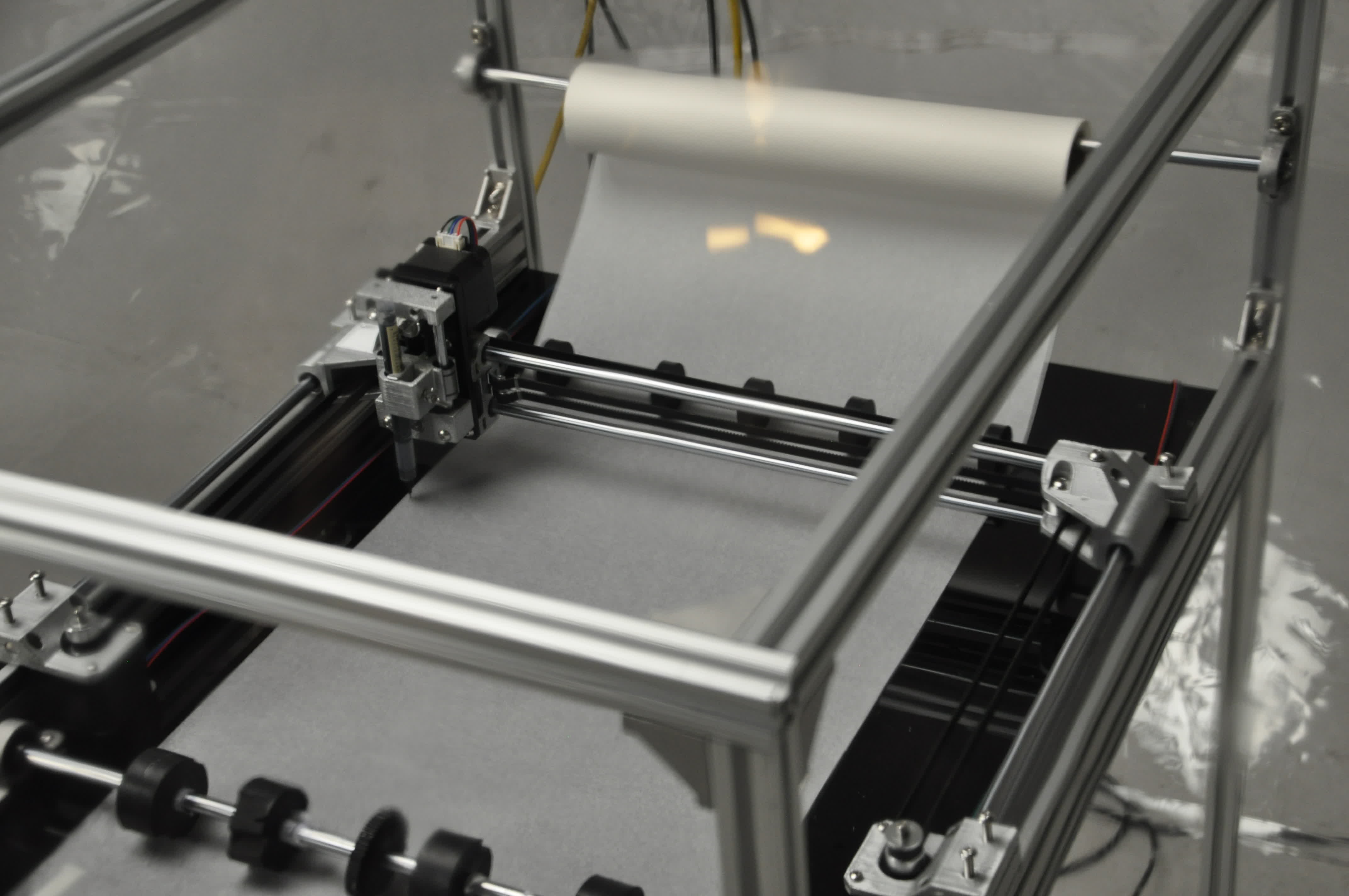
A time-based kinetic breathing loop that turns a paper-to-oxygen conversion (≈25.5g O₂ per A4 sheet) into a visible compression of breathing space—print → pump → deflate—so ecological cost becomes felt as a slow, continuous withdrawal.
One-line
1/∞ translates a measurable exchange—≈25.5g of oxygen consumed per A4 sheet of paper—into a continuously running mechanical breathing system, where invisible ecological cost becomes visible as progressive compression of breathing space.
Info
- Time / Location: 2022 · Beijing
- Type: Mechanical interactive installation (eco-system installation)
- Team: Graduation Project · Group 26
- Role: Project Lead (concept framing · system design · mechanical structure · embedded programming)
- Status: Gen-1 built and exhibited (fully operational)
- Keywords: Mechanical System · Data Physicalization · Pneumatics · Embedded Control · Time-based Installation · Eco-infrastructure
Goal & Challenge
1/∞ starts from a blunt, computable reality: everyday production carries an ecological price that can be expressed as a conversion, not a metaphor.
The goal is to turn that hidden exchange into a self-sustaining system model—so viewers do not “read” the number, but feel it as a slow tightening of air and space.
The core challenge is system-level:
How can abstract data become stable, controllable, repeatable mechanical behavior, and how can the work perform a slow, persistent rhythm of depletion over time—rather than a single moment of spectacle?
System — The Irreversible Breathing Loop
The installation binds printing to air extraction, forming a one-way breathing circuit:
Print → Pump out air → Bladder deflates → Breathing weakens (space compresses) → Continue printing
Modules
-
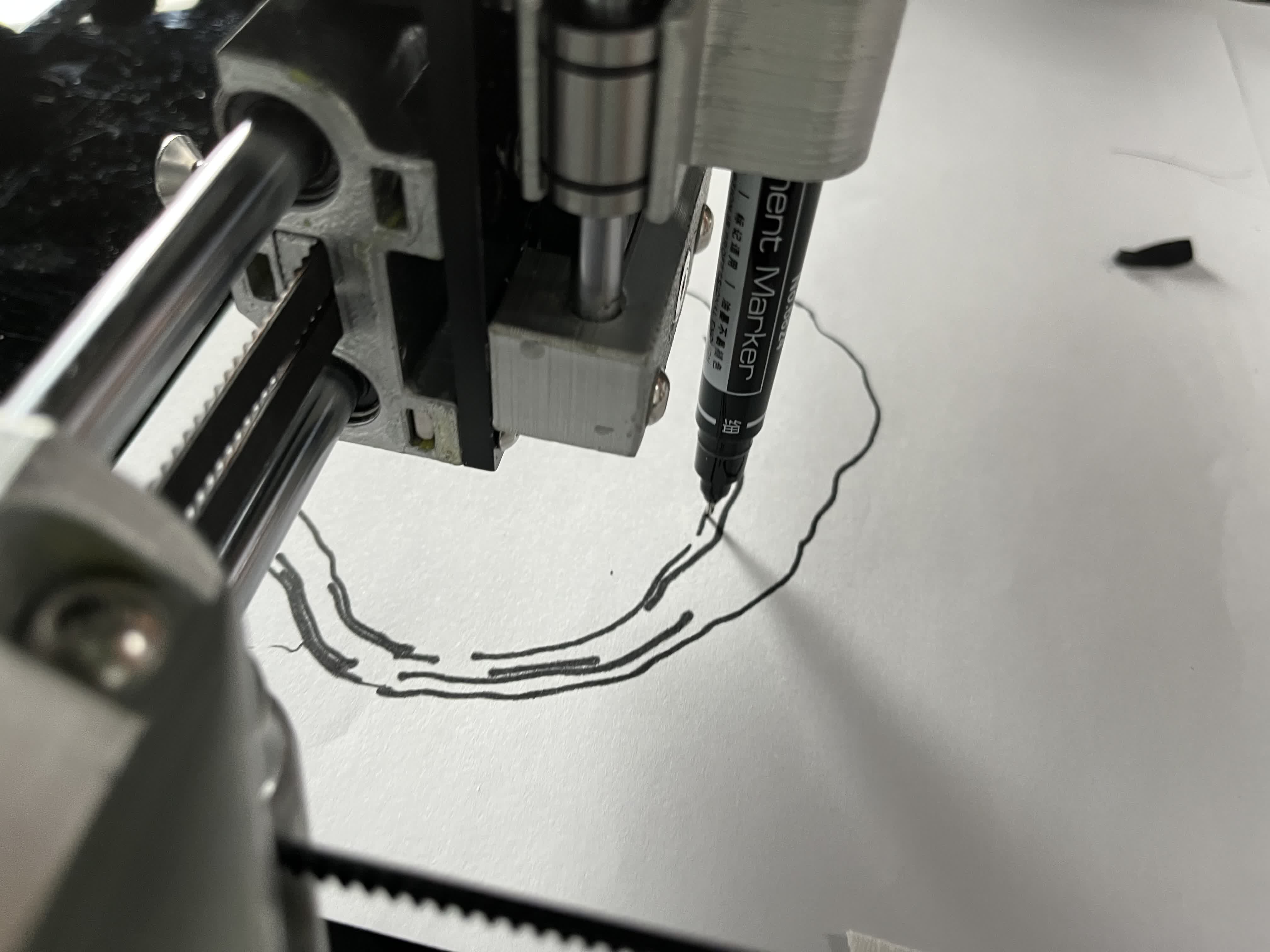
Printing Unit
A modified printer continuously outputs paper as physical evidence of “production.” -
Pneumatic Unit
An air pump and pressure control remove air in sync with the print output, driving the breathing body’s deformation. -
Breathing Body
A transparent bladder (~2m diameter), shaped like a lung / atmosphere, that gradually collapses as air is extracted. -
Control Unit
Microcontroller + program logic calibrating print frequency and extraction volume according to the conversion ratio. -
Frame & Interface
A metal frame and computer terminal intentionally expose wiring and structure to reinforce the industrial logic.
Validation & Current Build
The conversion ratio was established through research into forest carbon sinks and paper-industry data, then embedded into the control program so print output and air extraction remain mechanically consistent.
During operation, paper keeps accumulating while the bladder keeps shrinking. The breathing body does not “cooperate” by stopping—production continues under the same rule even as breathing space disappears.
This is the work’s central translation:
ecological data shifts from a cognitive number to a spatial pressure. The viewer is not shown disaster imagery—only a slow, mechanical, continuous withdrawal.
Next — Expandable Directions
-
Metrics
Build clearer logging and visualization across paper output ↔ air-volume change ↔ time. -
System Scaling
Introduce multi-source inputs (multiple printers / multiple participants) and more complex pneumatic structures to increase systemic scale. -
Interaction Layer
Let audience inputs directly change the system’s rhythm (print/pump strategy), making the relationship between individual action and systemic consequence more explicit.
Credits
Graduation Project · Group 26 · 2022 · Beijing
Project Lead: Ximing Wang (concept framing · system design · mechanical structure · embedded programming)