Imitation and Behavioral Interpretation
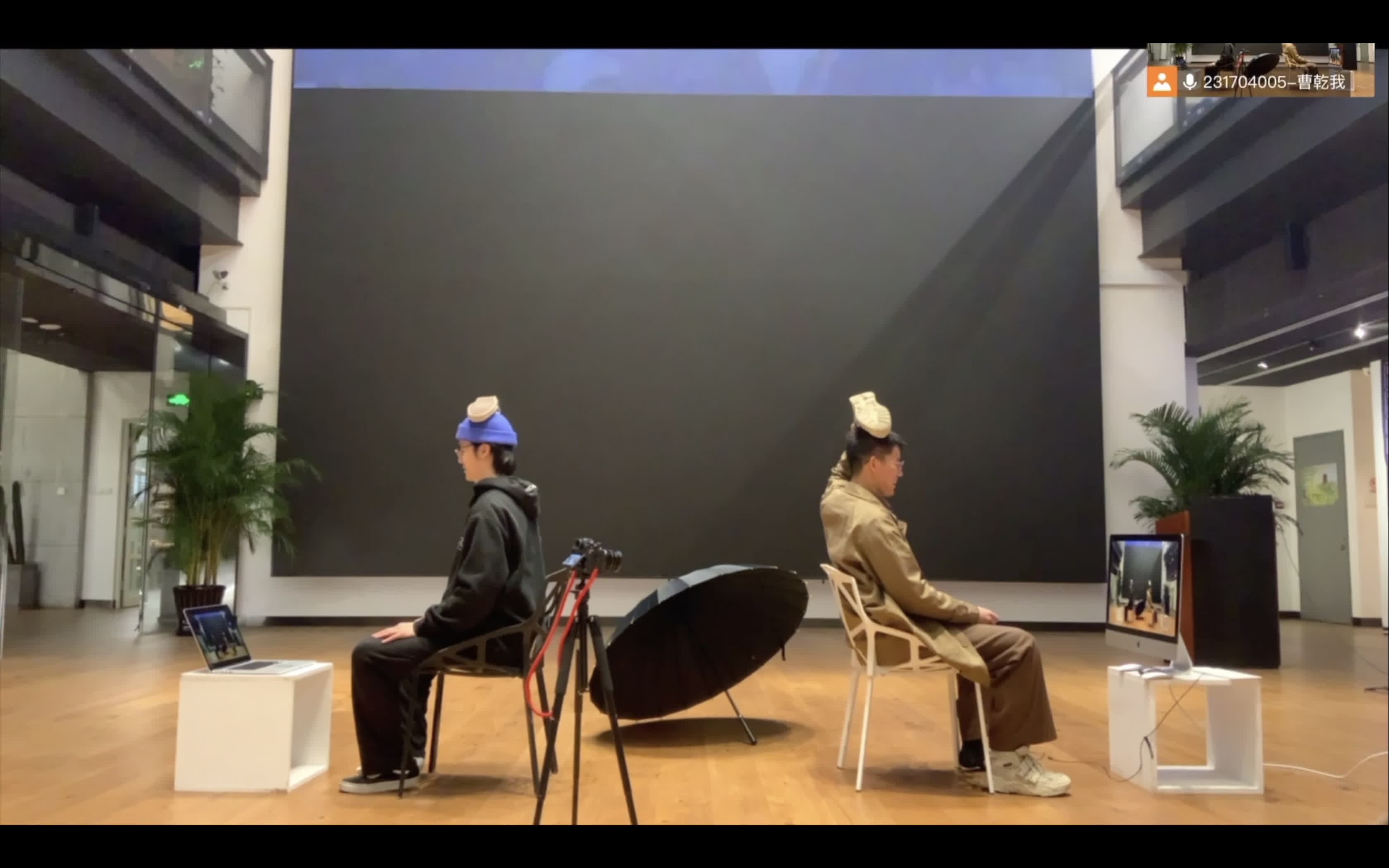
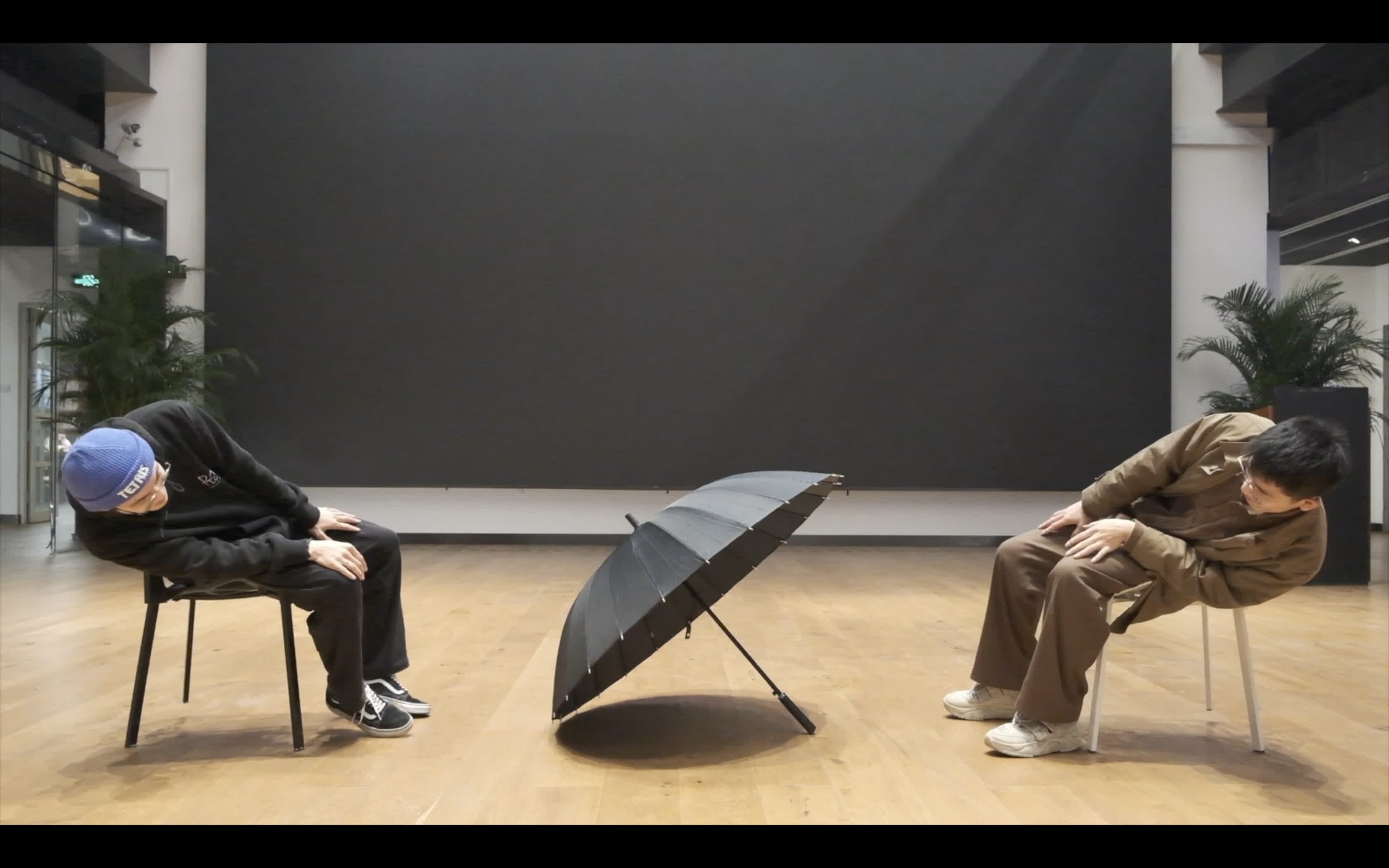
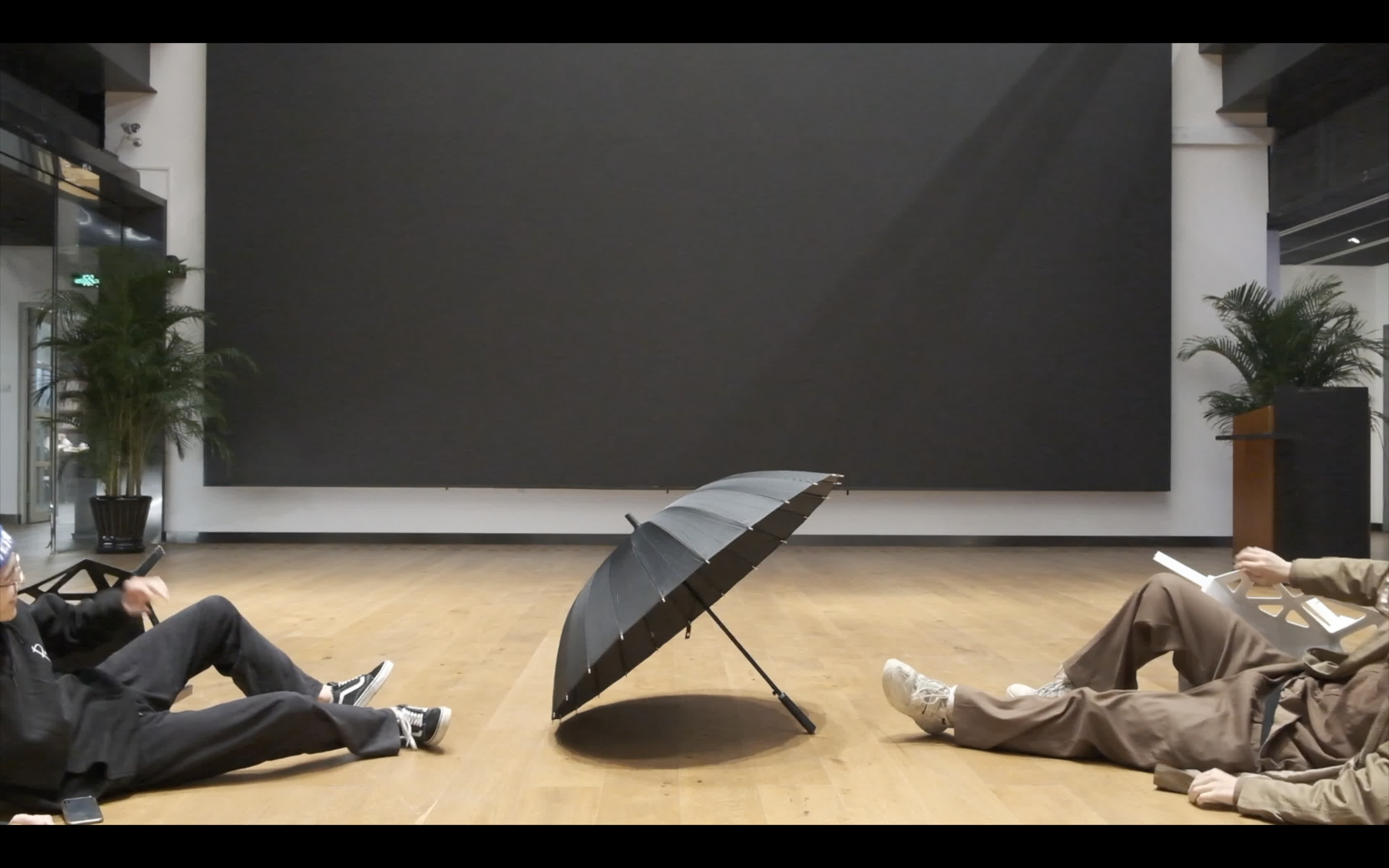
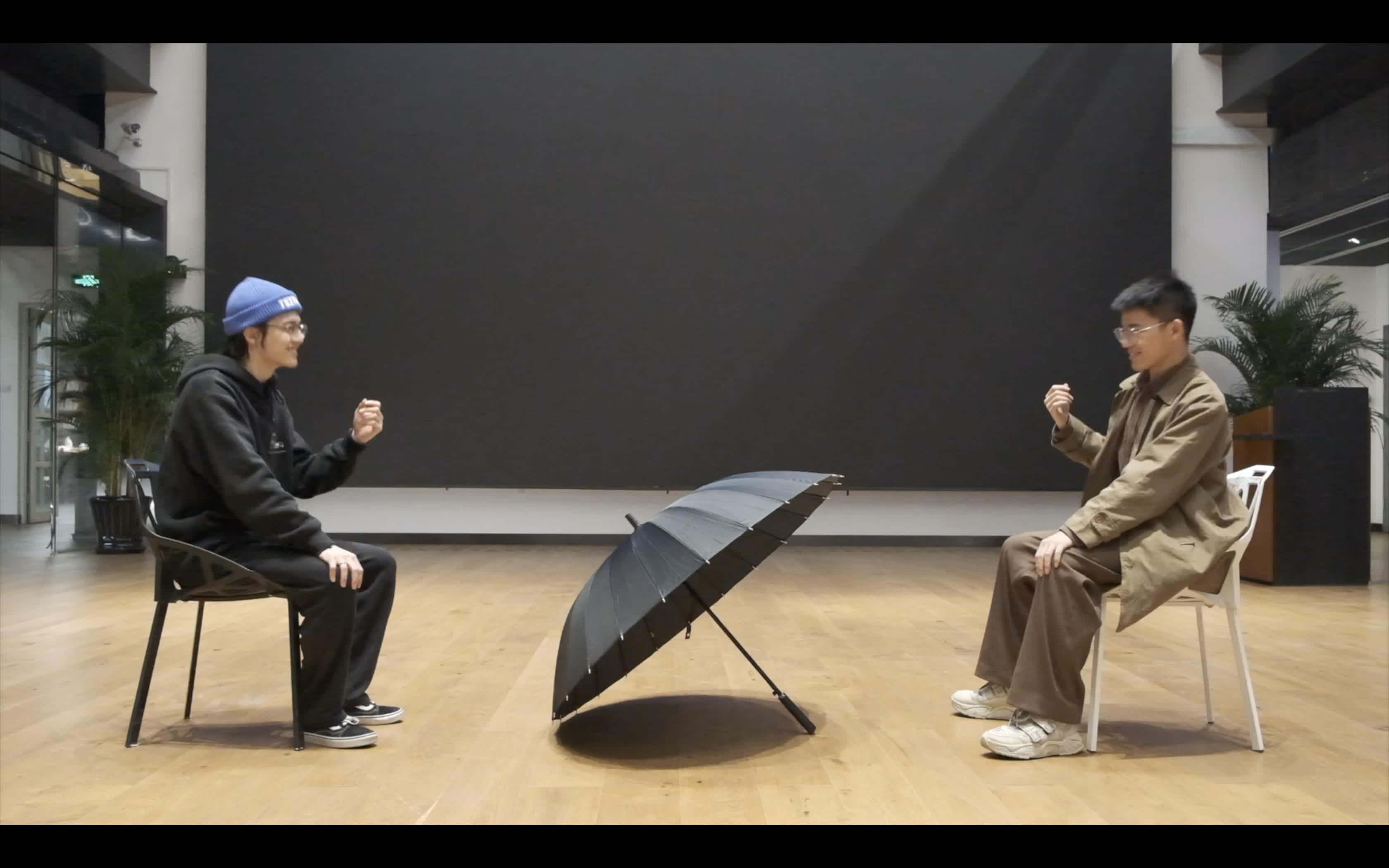
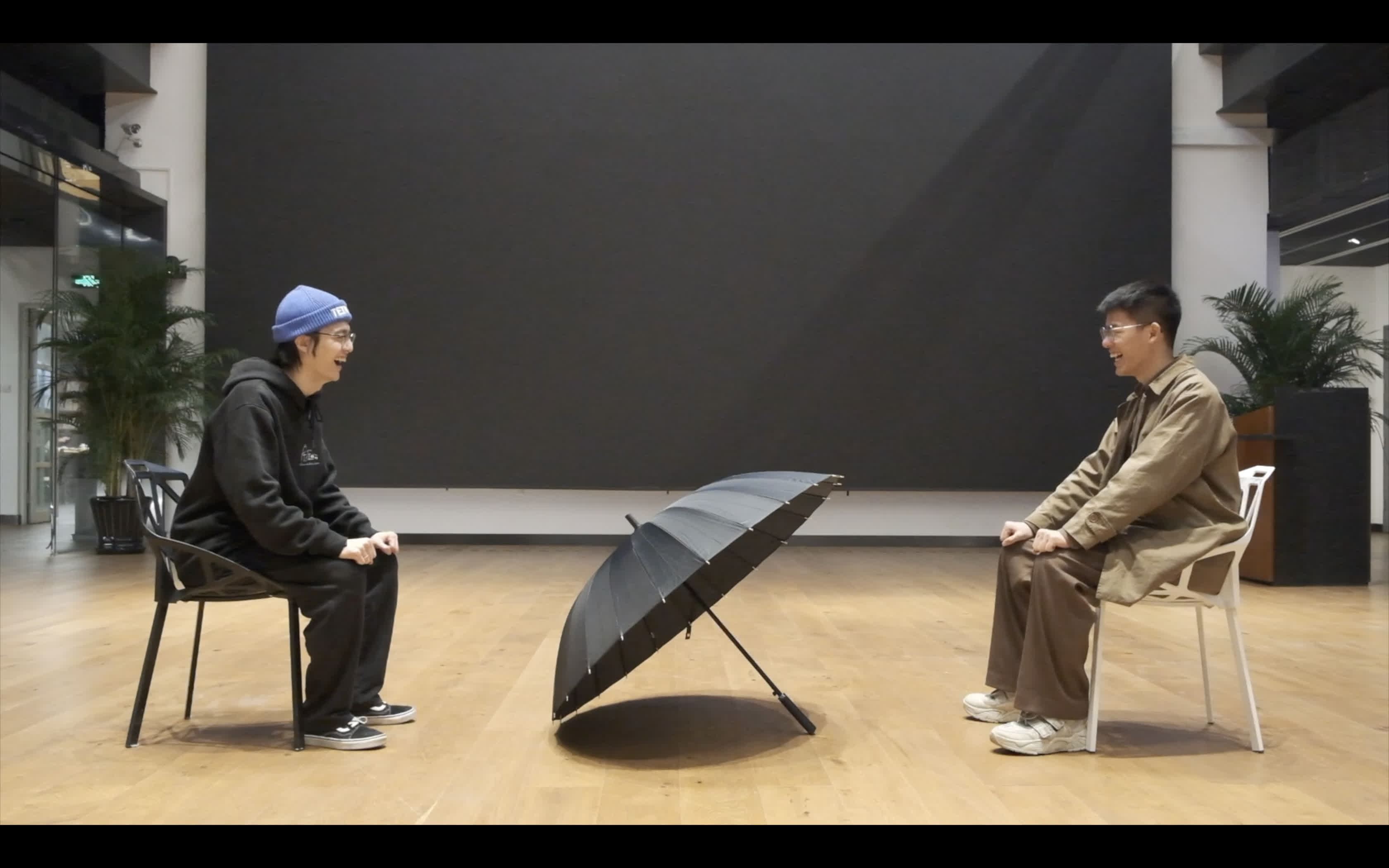
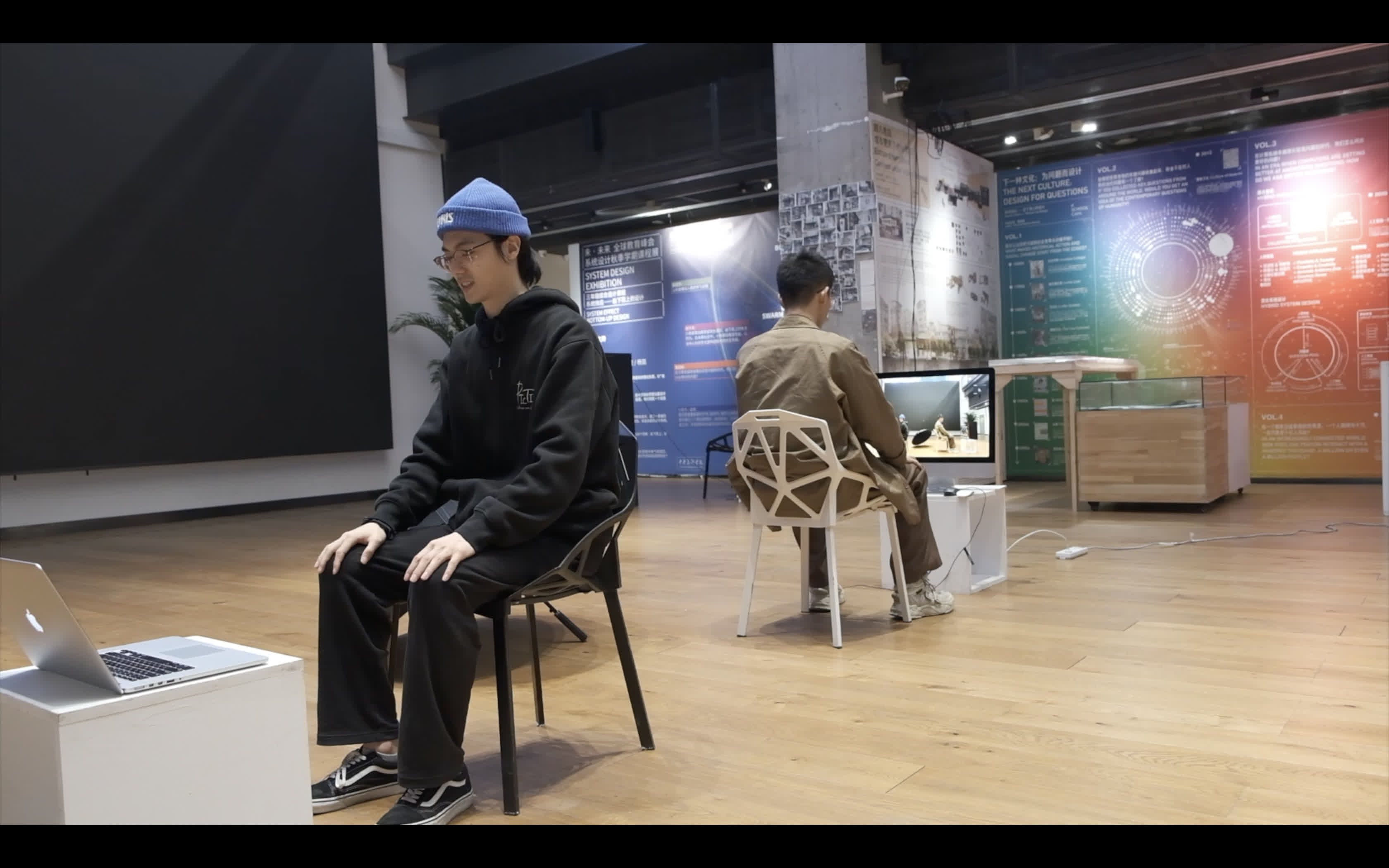
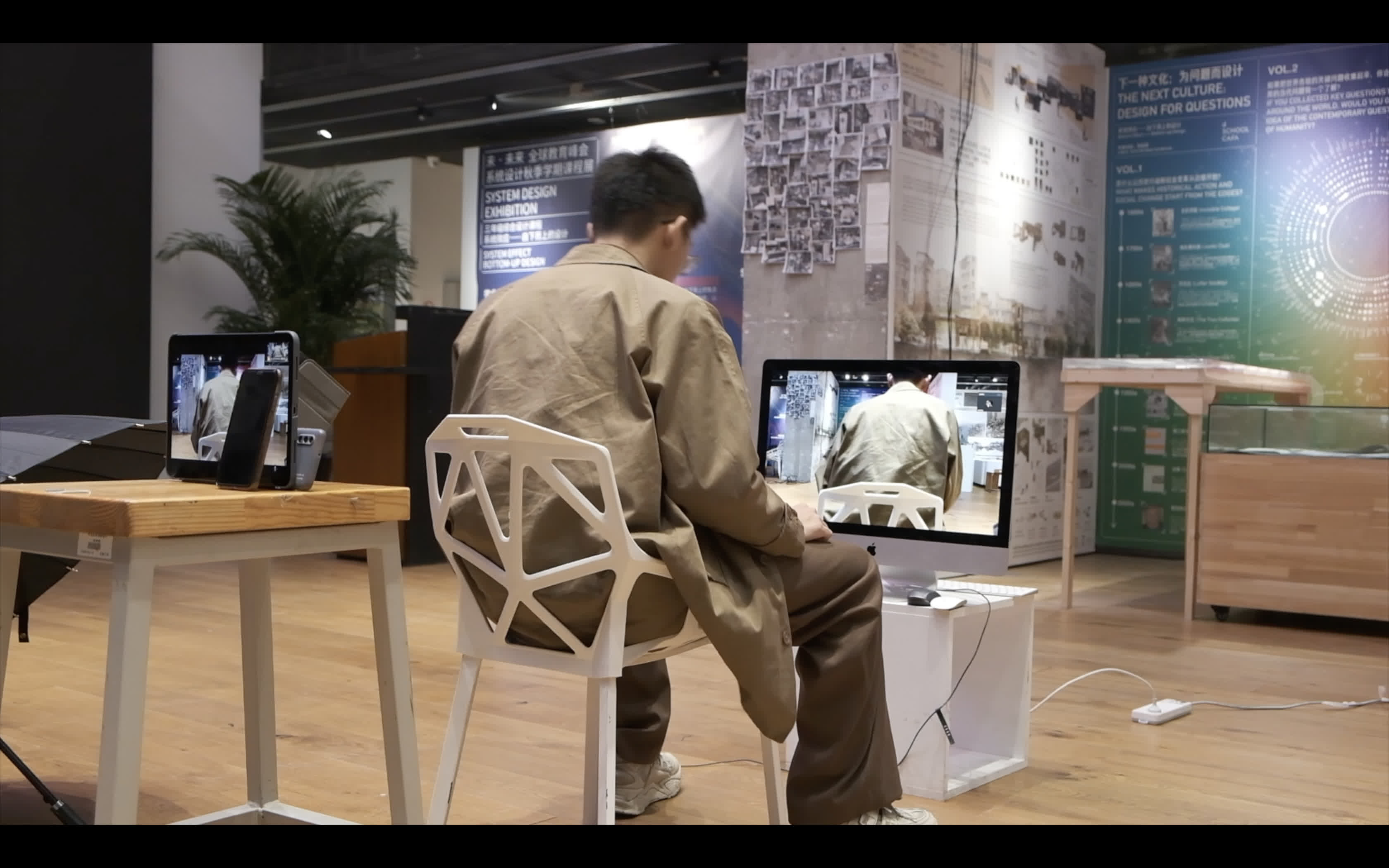
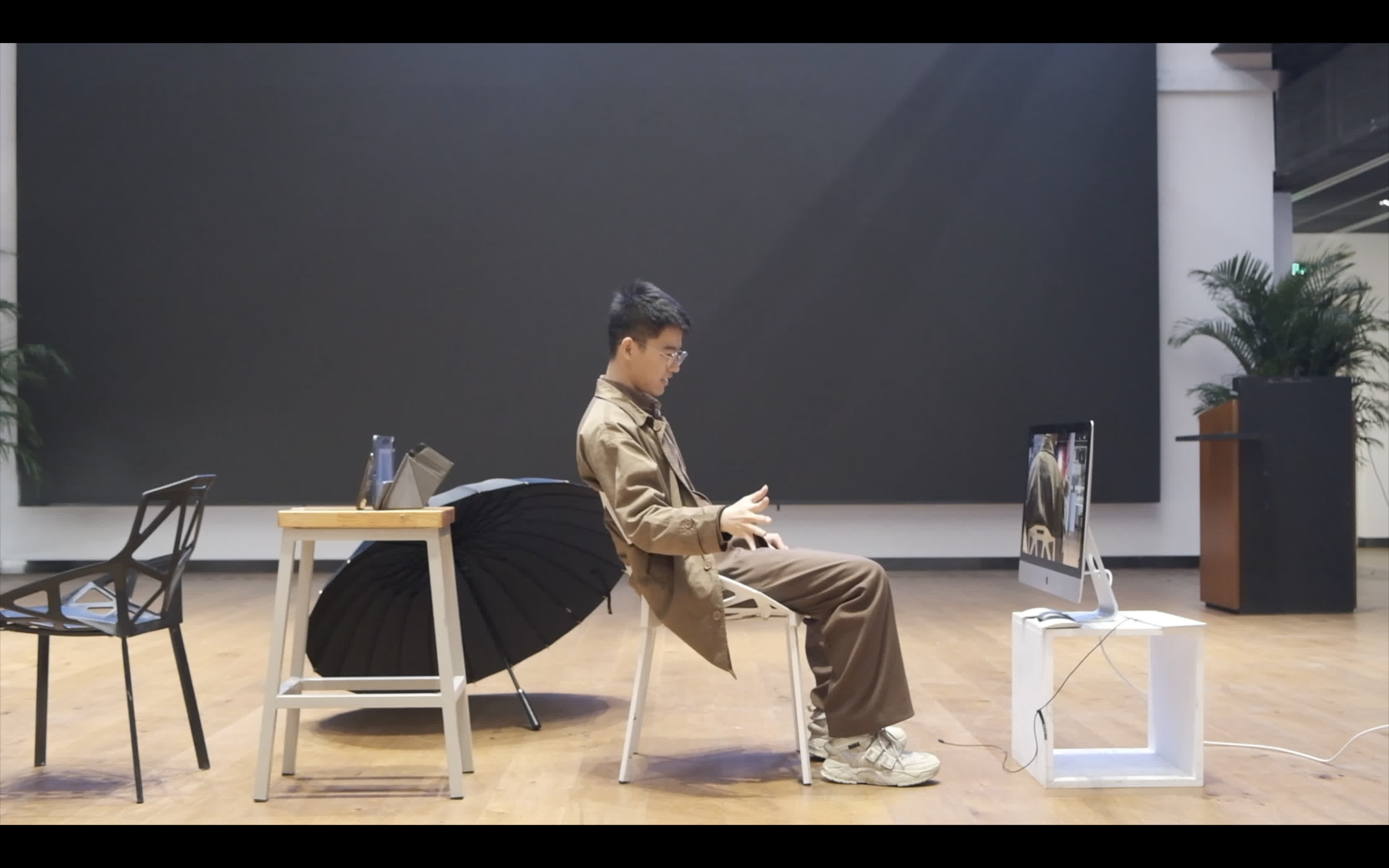
Field-based behavior research in public space: scripted actions and face-to-face imitation experiments documented on video, observing how a single gesture is reinterpreted by context and by others—then mutates through repetition into drift, misreading, and cascading change.
One-line
In real urban sites, we perform scripted actions and face-to-face imitation experiments.
Through video documentation, the work observes how the same gesture is reinterpreted by environment and by others—and how repetition produces drift, misreading, and cascading change.
Info
- Time / Location: Spring 2021 · Beijing
- Type: Behavioral practice · urban field study · video documentation (team project)
- Team: with Ganya CAO
- Medium: scripted actions · face-to-face imitation · on-site execution in public space · video documentation
- Role: experiment structure design · behavior scripting · on-site performance · video capture & editing
- Status: Two experiments completed; video series produced
- Keywords: Behavior Research · Public Space · Social Interpretation · Imitation Noise · Field Documentation · Video
Goal & Challenge
The project treats imitation as an observable social mechanism: a behavior does not belong only to the performer, but also to the environment it enters—and to the ways it is watched and interpreted.
It asks:
- When the same action appears in different scenes and is seen by different people, how is meaning rewritten?
- When copying continues, how does deviation accumulate until it changes the action’s original direction?
The core challenge is to keep the experiments repeatable in real city conditions while allowing现场 variables to intervene—so interpretation, misreading, and deviation emerge naturally rather than being predefined.
System — Two Experiments
The work is built as a paired structure, presenting two different “meaning-generation” mechanisms.
Experiment A — Scripted Action (Behavior 1)
We define a set of clear, simple instructions and repeat them across different locations (for example: crossing at a crosswalk in a specified way, traversing a street segment, passing in front of a bus at a particular timing).
The same script can appear “normal” in highly ordered spaces, yet become abrupt or misread in spaces with more complex variables.
This experiment focuses on how environment participates in defining behavior, and how context shifts social meaning.
Experiment B — Face-to-face Imitation (Behavior 2)
We conduct face-to-face imitation and gradually increase amplitude and complexity.
As the number of reproductions grows, deviations appear and amplify—similar to noise in information transmission: the original gesture deforms through repetition and can eventually drift into instability.
This experiment focuses on how imitation produces deviation, and how the boundary between “the real” and “the reproduced” is redrawn on site.
Validation & Current Build
The city’s real variables become the experimental condition: gaze from strangers, spatial order, traffic rhythm, and accidents all intervene and rewrite meaning.
By juxtaposing the two experiments, the work surfaces two sources of deviation:
- Contextual deviation: the same script gains different meanings across environments
- Replication noise: the same gesture gradually mutates through repeated copying
The final output is a video-led series—field evidence of interpretation → misreading → cascading change.
Next — Expandable Directions
-
Repeatability as a parameter set
Define clearer variables (site type, time window, repetition count) to build comparable sequences. -
Viewing structure as a visible variable
Add third-party observation positions (fixed camera / distant viewpoint) so “how it is watched” becomes legible. -
Propagation path
Extend the imitation chain to multiple people / groups to observe whether deviation accelerates or converges within social structure.
Credits
Team project · Spring 2021 · Beijing
with Ganya CAO